






Children’s Pajama Safety, Explained: A Thoughtful Approach to Fire Safety and Fabric
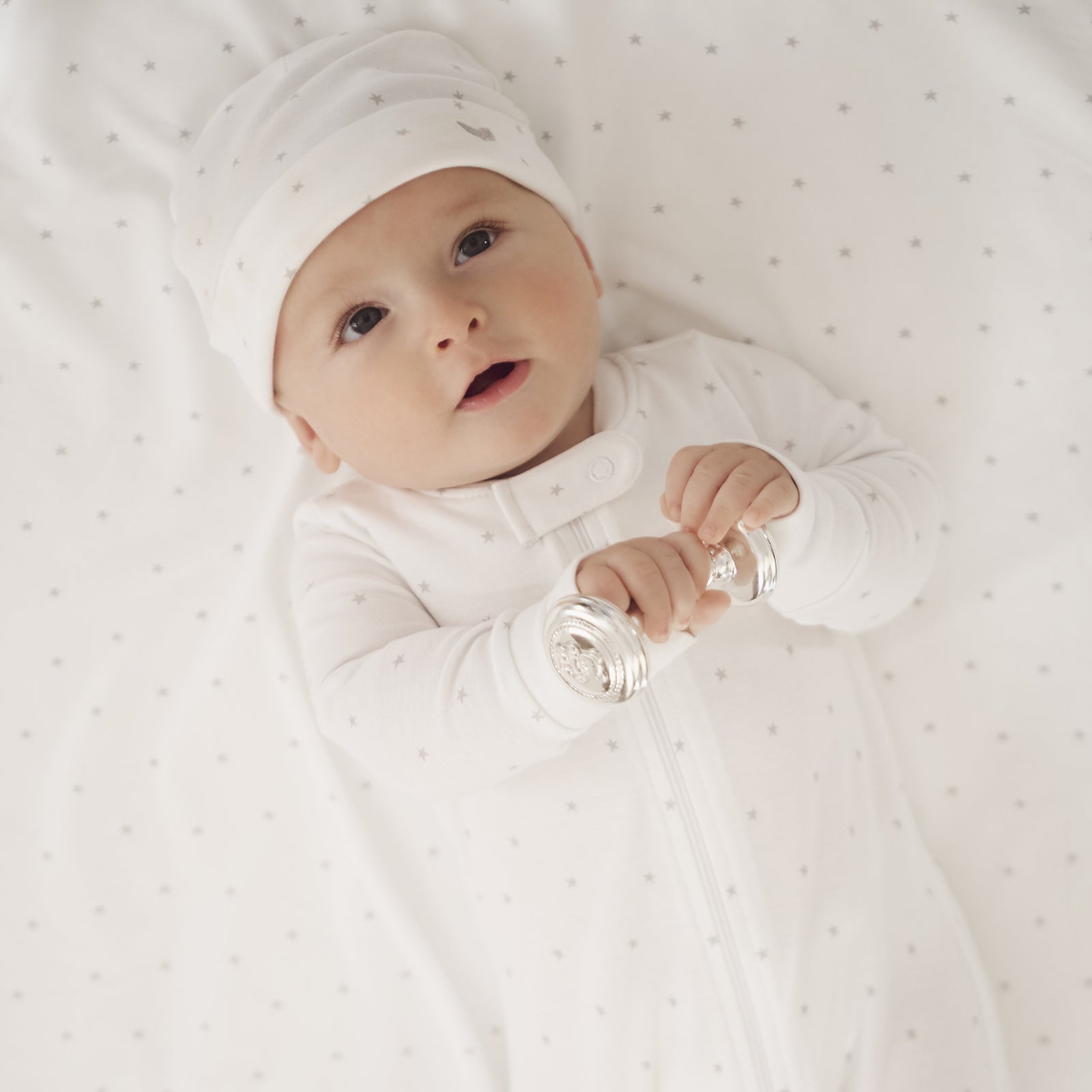
When choosing sleepwear for children, comfort is only part of the equation. Safety standards play an essential role in children’s sleepwear design and craftsmanship, often shaping everything from fabric selection to garment fit. In the United States, children’s pajamas are designed to meet rigorous fire safety regulations intended to help reduce risk while children rest. For decades, many brands achieved compliance by applying chemical flame-retardant treatments directly to pajama fabrics, but today, another approach is possible through careful design.
Understanding how children’s pajamas achieve fire safety — and why fabric matters so deeply — helps parents make informed, confident choices about what their children wear to bed each night.
Children’s Pajama Fire Safety at a Glance
Children’s pajamas sold in the United States must comply with strict regulations established by the Consumer Product Safety Commission (CPSC). Sleepwear typically meets these standards in one of two ways:
- Flame-resistant fabrics, historically achieved through chemical treatments
- Snug-fitting garment design, which minimizes air space between fabric and the child’s skin
Many families today prefer sleepwear made from natural fibers without added flame-retardant finishes. Thoughtfully developed children’s pajamas can meet safety requirements through precise tailoring, fabric selection, and rigorous testing rather than chemical application.
Why Children’s Pajamas Have Fire Safety Regulations
Children’s sleepwear is regulated differently from most clothing because of how and when it is worn. Pajamas are typically worn during evening and early morning hours, historically times when households were more likely to be near open flames such as stovetops, fireplaces, or candles.
The foundation for modern standards began with the Flammable Fabrics Act of 1953, which established federal guidelines intended to reduce fire-related injuries. In 1975, additional flammability provisions specific to children’s sleepwear were introduced, leading many manufacturers to rely on flame-retardant fabric treatments.
In 1996, regulations evolved to allow snug-fitting pajamas, designed to reduce fire risk through garment construction rather than chemical finishes. Today, children’s sleepwear remains subject to enhanced oversight, reflecting an ongoing effort to balance safety, comfort, and practicality.
How Children’s Sleepwear Passes Fire Safety Guidelines
The CPSC, established in 1972, oversees safety standards for many consumer goods, including children’s sleepwear. These regulations are designed to reduce potential hazards in everyday environments.
There are generally two compliance pathways for children’s pajamas:
- Flame-resistant materials, which resist ignition and slow flame spread
- Snug-fitting designs, which reduce available oxygen between fabric and skin, lowering fire risk
Both approaches must pass standardized flammability testing before garments can be sold. Modern textile innovation can help avoid chemical flame-retardant treatments, offering families additional choices in their children’s sleepwear.
How Pajamas Can Meet Fire Safety Standards Without Chemical Treatments
Advances in textiles have made it possible for children’s sleepwear to meet safety standards through design rather than chemical application.
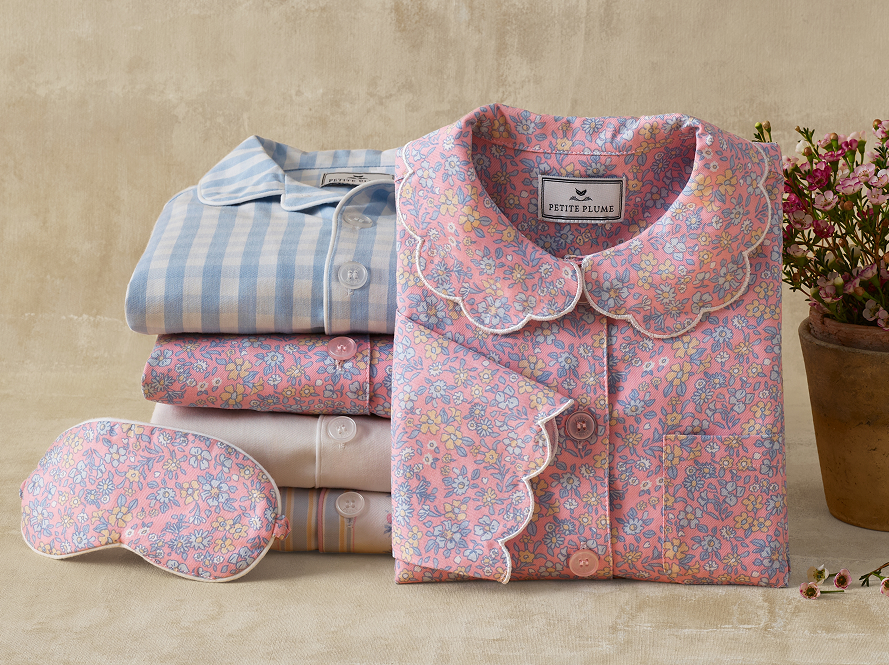
When developing the first children’s collections for Petite Plume, founder Emily Hikade sought to create heirloom-quality children’s pajamas made from premium fibers while meeting strict regulatory requirements without the use of chemical flame-retardant treatments. To accomplish this, she partnered with a manufacturer known for producing uniforms for firefighters to develop an inherently flame-resistant fabric that complies with CPSC flammability standards without added chemical finishes. The result was an approach centered on material innovation, fabric integrity, and intentional design.
This design-led philosophy reflects a broader evolution within sleepwear manufacturing: safety achieved through careful craftsmanship, material expertise, and rigorous testing rather than compromise in comfort.
Why Avoiding Chemical Flame Retardants Matters to Many Families
Many parents today are more intentional about the materials that come into prolonged contact with their children’s skin — especially garments worn for eight to ten hours at a time. Historically, compliance with fire safety standards often meant applying chemical flame-retardant treatments directly to fabric. While permitted under regulation, these finishes are not the only path to safety.
For families who prefer material simplicity, avoiding added chemical treatments has become an important consideration. Natural fibers are often chosen for their breathability, softness, and minimal processing — qualities that feel especially reassuring in kids’ sleepwear.
Modern textile innovation now makes it possible to meet CPSC fire safety standards without relying on chemical flame-retardant finishes. Through precise tailoring, intentional fiber development, and rigorous testing, thoughtfully designed pajamas can support both regulatory compliance and a cleaner material philosophy.
Today, safety and simplicity no longer need to exist in opposition. Careful craftsmanship allows both to coexist.
Choosing Safe and Comfortable Pajamas for Children
When selecting children’s sleepwear, parents can look for a balance of safety compliance and everyday comfort. Well-designed kids’ pajamas support both peace of mind and a calm bedtime routine — two essentials for restful nights.
Select breathable fabrics
Lightweight cotton and other natural fibers help regulate temperature throughout the night, supporting uninterrupted sleep.
Prioritize proper fit
Choosing the correct size ensures garments can function as intended while remaining comfortable. For example, snug fit pajamas are intentionally designed to sit closer to the body.
Consider seasonal comfort
Layering garments to suit the temperature and switching fabric weight seasonally can help children avoid feeling too warm or too cool.
Launder pajamas with care
Gentle detergents and regular washing help maintain fabric softness while removing everyday buildup from wear.
Frequently Asked Questions About Children’s Pajama Safety
Why do children’s pajamas have fire safety rules?
Children’s sleepwear is regulated because it’s worn during times when accidental exposure to flames historically posed greater risk. Standards are designed to reduce the likelihood of garments igniting or spreading flames quickly.
Are flame-retardant chemicals required in children’s pajamas?
No. Children’s sleepwear can comply with safety regulations either through flame-resistant fabrics or through snug-fitting pajama design that meets testing standards.
How can pajamas meet safety standards without chemical treatments?
Through precise garment engineering, fabric selection, and rigorous flammability testing. Thoughtful construction and carefully developed textiles allow Petite Plume kids’ pajamas to meet regulations without chemical finishes.
What should parents look for when buying safe sleepwear?
Parents can look for labeled compliance with U.S. sleepwear standards, proper fit, breathable fabrics, and high-quality construction designed specifically for children’s nighttime wear.
The Connection Between Safety, Comfort, and Thoughtful Design
Today, advances in textile innovation allow children’s sleepwear to balance safety and comfort with ease. What once required heavy treatments can now be achieved through intelligent design and careful craftsmanship. Thoughtfully made kids’ pajamas demonstrate that safety need not come at the expense of softness or style. As a pioneer in developing inherently flame-resistant fabrics free from added chemical finishes, Petite Plume has emerged as a category leader in thoughtfully engineered children’s sleepwear — setting a higher standard for how safety and material integrity coexist. Modern sleepwear reflects a quieter kind of innovation, rooted in comfort to help families approach bedtime with calmness and confidence.