




How to Wash Cotton Pajamas So They Last for Years
For the pajamas you reach for first and hope never to lose. Cotton sleepwear, when cared for well, becomes softer with time and stays part of your wardrobe for years. This guide walks through the simple steps that protect softness, shape, and color so favorite pairs can be worn, loved, and even passed down.
The Short Answer: Wash cotton pajamas inside-out in cool water on a gentle cycle with a mild detergent, then tumble dry on low heat or air-dry flat. Gentle washing and low heat keep the fabric soft, the fit true, and the color bright over time. Skip the hot water and high dryer heat, and your pajamas will look and feel the way they did when you first slipped them on.
For pieces made to last and be passed down, good care is simply part of the story.
Key Takeaways:
-
Cool water protects fibers: Heat causes cotton to shrink, so cooler temperatures keep pajamas fitting the way they should.
-
Turn inside-out before washing: This shields the outer fabric and any prints or embroidery from friction and fading.
-
Gentle cycle, mild detergent: Less agitation and fewer harsh chemicals mean softer fabric and truer colors.
-
Low heat or air-dry: Removing pajamas while still slightly damp and finishing flat or on a hanger prevents shrinking and keeps the hand-feel buttery soft.
-
Skip the softener on children's sleepwear: For snug-fit pajamas, fabric softener can affect the fabric's built-in safety features.

Why Cotton Pajamas Shrink, Fade, and Wear Out
Heat is the main reason cotton pajamas shrink. Hot water and high dryer heat cause cotton fibers to tighten and contract. When that happens, a once-perfect fit becomes snug in all the wrong places.
Harsh detergents and too much friction play a role, too. They strip color and roughen the surface of the fabric. Over time, pilling can appear where fibers have been weakened.
Understanding these basics makes every care step that follows feel intuitive. Protect the fibers from heat and friction, and the fabric stays soft, smooth, and vibrant for years.
How to Wash Cotton Pajamas, Step by Step
A little attention when laundering goes a long way. The steps below apply to most cotton sleepwear and are easy to build into a routine.
Each step works together: gentle handling, cooler water, and less friction add up to pajamas that stay soft and colorful wear after wear.
Start With the Care Label
The care label sewn into each piece is the simplest guide to what your pajamas need. It will tell you the safe water temperature, whether to tumble dry or lay flat, and if any special handling is required.
Common symbols are easy to read once you know what to look for. A tub icon with a single dot means cool water is best. A square with a circle inside is the tumble-dry symbol, and dots inside indicate heat level.
Sort and Turn Them Inside-Out
Wash cotton pajamas with similar soft fabrics and colors. Keep them away from towels, denim, and anything with zippers or hook-and-loop closures, which can snag and abrade the weave.
Turning pajamas inside-out before washing protects the outer surface. Prints, embroidery, and the finish of the fabric all benefit from this simple step.
Choose Cool Water
Cool or cold water is the best choice for cotton pajamas. It prevents the fibers from shrinking and helps keep colors true wash after wash.
Save hot water for heavily soiled laundry loads that need it. For everyday sleepwear, cooler temperatures do the job without the risk.
Use a Gentle Detergent
A mild detergent is kinder to cotton than heavy-duty formulas. Skip bleach and optical brighteners, which can dull softness and fade color over time.
Use only what you need. Detergent residue can build up on fabric and make it feel stiff. In areas with hard water, this buildup is even more noticeable and can leave pajamas feeling less soft than they should.
Select a Gentle Cycle
A gentle or delicate cycle is the safer choice for cotton pajamas. Less agitation means less stress on the fibers and a longer life for your pajamas.
For delicate or embellished pieces, a mesh laundry bag adds an extra layer of protection. It keeps pajamas from tangling and shields buttons, embroidery, or lace-like details.

How to Dry Cotton Pajamas Without Shrinking
Low heat is the key to drying cotton without shrinking. A low or medium setting in the dryer is safer than high heat, and air-drying is gentler still.
Remove pajamas from the dryer while they are still slightly damp. Lay them flat or hang them to finish drying, and they will relax into their original shape.
High heat is the fastest way to shrink cotton, so when in doubt, go cooler. Air-drying also helps colors last longer by reducing exposure to heat and tumbling.
For Pima cotton, which is prized for its buttery, smooth hand-feel, gentle drying keeps that softness intact.
Keeping Pajamas Soft and Colors True
Softness comes from gentle washing and low heat, not from heavy use of fabric softener. Over time, softener residue can coat fibers and make fabric feel less breathable.
If pajamas start to feel stiff or dull, a small splash of white vinegar in the rinse cycle can help dissolve residue and refresh the fabric. It rinses clean and leaves no scent behind.
To keep colors bright, wash darks and brights with like colors, especially during the first several washes. Cool water also plays a role. Heat opens the weave and lets dye escape more easily.
For pieces you want to reach for season after season, these small habits add up.
Caring for Pima Cotton and Other Signature Fabrics
Different fabrics have different needs, and adjusting your routine slightly can make a real difference. Below is a quick-reference table, followed by notes on each fabric.
|
Fabric |
Water |
Cycle |
Drying |
Notes |
|---|---|---|---|---|
|
Classic Pima Cotton |
Cool |
Gentle |
Low heat or air-dry |
Year-round favorite. Buttery soft and durable. |
|
Lightweight Pima |
Cool |
Gentle |
Air-dry preferred |
Airy weave. Full coverage, not sheer. |
|
Mulberry Silk |
Cool |
Delicate or hand-wash |
Lay flat, away from heat |
Lustrous and luxuriously soft. Avoid direct sun. |
|
Brushed Flannel |
Cool |
Gentle |
Low heat |
Cozy and plush. Over-drying can stiffen fibers. |
|
Pima Pointelle |
Cool |
Gentle or hand-wash |
Air-dry flat |
Delicate, lace-like weave. Handle with care. |
Classic Pima Cotton
Pima cotton is a long-staple fiber prized for its buttery softness, breathability, and durability. The longer fibers create a smooth, strong weave that resists pilling.
Cool water and a gentle cycle keep Pima cotton smooth and color-true. Low heat in the dryer, or air-drying flat, protects the fabric's softness over time.
Lightweight Pima
Lightweight Pima is crafted from the same long-staple cotton fibers as classic Pima, with an airy weave designed for warm weather and hot sleepers. It still offers full coverage and is not sheer.
A gentle wash in cool water and air-drying preserve the beautiful drape of this fabric. Handle it much like classic Pima, with a bit of extra gentleness.
Mulberry Silk
Mulberry silk is lustrous and luxuriously soft, made for evenings that feel like occasions. It benefits from hand-washing or a delicate cycle in cool water with a gentle cleanser.
Lay silk pieces flat to dry, away from direct heat and sunlight. High heat and direct sun can damage the fibers and dull the fabric's natural sheen.
Brushed Flannel and Pointelle
Brushed flannel is cozy and plush, brushed for warmth without bulk. A gentle wash and low dryer heat keep it soft and prevent the fibers from stiffening.
Pima pointelle has a delicate, lace-like weave with vintage charm. Hand-washing or a gentle cycle in a mesh bag protects the texture. Air-drying flat helps maintain the fabric's shape.
Caring for Monogrammed and Family Sets
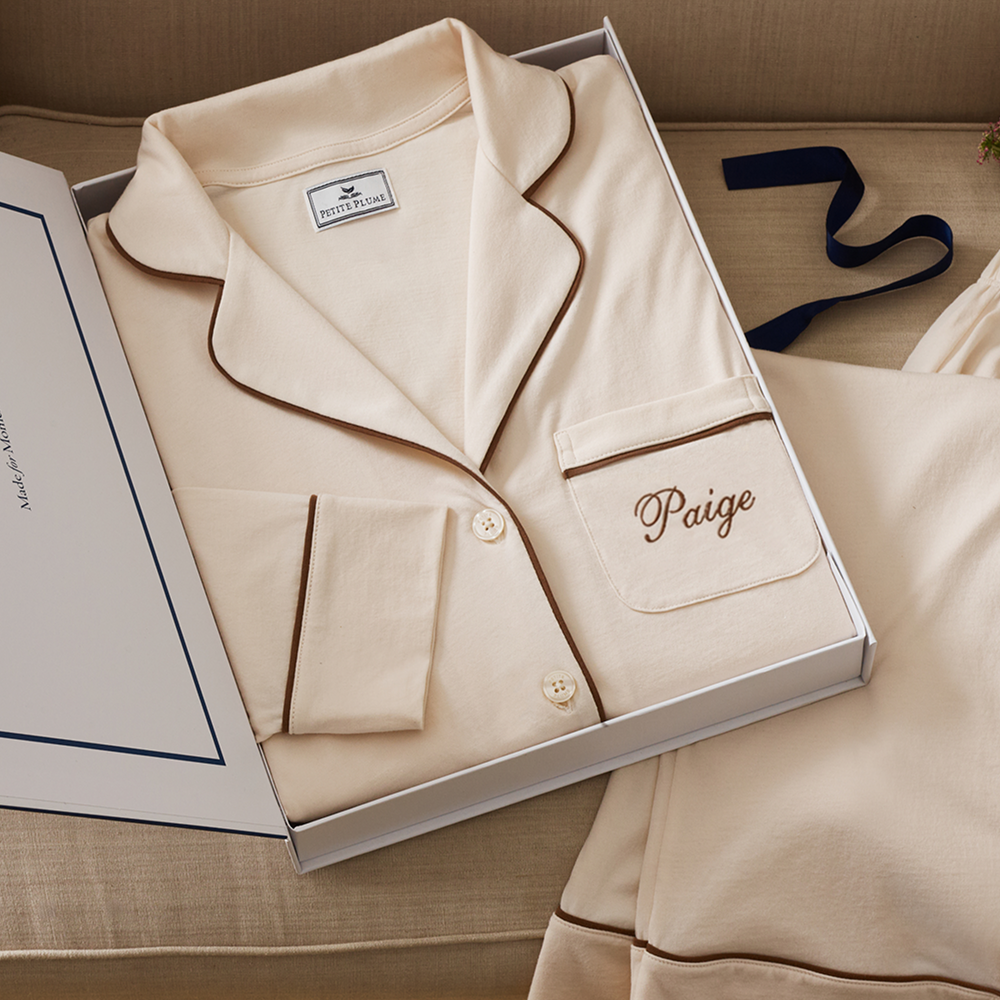
Monogrammed pieces deserve a bit of extra attention. Turn them inside-out before washing and use a gentle cycle to protect the stitching. A mesh laundry bag adds another layer of protection and keeps embroidery from catching or puckering.
For family matching pajamas and children's sleepwear, a mild detergent and a gentle cycle keep prints sharp and fabrics soft across every size. Skip fabric softener on children's snug-fit styles especially, as it can affect the fabric's built-in safety features.
Washing coordinated sets together helps them fade (if at all) at the same pace, so they stay beautifully matched photo after photo.
How Often Should You Wash Pajamas?
A good guideline is to wash pajamas after a few wears. If the weather is warm, or if lotion or skincare products are applied before bed, washing sooner makes sense.
Children's sleepwear is often washed more frequently, especially after active evenings or messy mornings. Trust what feels right for your household.
Rotating a few favorite sets means each pair gets a rest between wears. Less frequent washing extends the life of each piece and keeps the fabric feeling fresh.
Frequently Asked Questions
Does cotton shrink when you wash it?
Cotton can shrink when exposed to high heat, whether from hot water or a hot dryer. Cool water and low-heat drying help pajamas keep their original fit.
How do you wash cotton pajamas so they do not shrink?
Turn them inside-out, wash in cool water on a gentle cycle, and dry on low heat or air-dry flat. Avoiding heat at every step is the simplest way to prevent shrinking.
Can you put cotton pajamas in the dryer?
Yes, as long as the heat setting is low. Remove them while still slightly damp and lay flat or hang to finish drying for best results.
How do you keep cotton pajamas soft?
Wash with a mild detergent, skip the fabric softener, use cool water, and dry gently. If pajamas feel stiff, a splash of white vinegar in the rinse can help remove residue.
How often should you wash pajamas?
A good rhythm is after a few wears, and sooner if you sleep warm or apply skincare products at night. Rotating several pairs helps each one last longer.
How do you wash monogrammed pajamas?
Turn them inside-out, place in a mesh laundry bag, and wash on a gentle cycle with a mild detergent. Air-drying or low heat protects the embroidery.
The quiet ritual of pulling on a favorite pair of pajamas to wind down is a ritual worth protecting. With a little care, cotton sleepwear stays soft, fits beautifully, and becomes part of the family story.