










Protect Tomorrow’s Energy Tonight: A Sleep Physician’s Guide to the Perfect Wind-Down Routine

Modern life rarely allows the nervous system to power down when the day ends. Long after work is finished or the household grows quiet, the mind often remains engaged: replaying conversations, organizing tomorrow’s responsibilities, or simply struggling to transition out of motion. Sleep is often considered “down time,” but it’s one of the most essential periods of restoration, when both mind and body recover in preparation for the day ahead.
According to Dr. Cheri Mah, sleep physician and performance expert, restorative sleep begins well before lights out. An intentional wind-down ritual helps signal to the brain and body that rest is near, while setting the foundation for deeper sleep and renewal.

Sleep expert, Dr. Cheri Mah
A consistent wind-down routine tells the brain that sleep is approaching, making it easier to fall asleep and improving overnight recovery. Effective, soothing evening rituals calm the nervous system through recurring, enjoyable practices such as gentle breathing exercises, journaling to reduce mental rumination, warm bathing to support natural temperature regulation, and reading physical books. Just as importantly, the physical environment matters: breathable cotton sleepwear, soft sheets, and calming textures act as sensory cues that reinforce comfort and safety. Prioritizing relaxation rather than productivity before bed improves mood regulation, resilience, and next-day energy.
Why a Wind-Down Routine Matters More Than You Think
Dr. Mah follows a simple philosophy when it comes to rest: protect tomorrow’s energy tonight. “Prioritizing a wind-down isn’t indulgent,” she explains. “Research shows better sleep improves mood regulation, resilience, and stress tolerance.”
As the mind and body rest overnight, essential restorative processes help refresh the brain, reduce inflammation, repair muscles, and regulate emotional balance. Contrary to the notion of pushing through exhaustion, meaningful recovery begins with a sense of letting go.
Cultivating an evening ritual acts as powerful self-care, rooted in intention. The way we end the day quietly shapes how we begin the next.
Step One: Release the Day From Your Body
Before sleep, the body must shift out of alert mode. Gentle breathing exercises help activate the parasympathetic nervous system, often called the body’s “rest and digest” response, which slows heart rate, lowers blood pressure, and prepares the body for restoration.
Dr. Mah recommends the simple but effective 4-7-8 breathing technique. Inhale for four seconds, hold the breath for seven seconds, then exhale slowly for eight seconds. Repeating this cycle just four to six times can noticeably reduce stress and tension, helping the day drift away.
Callout: Try Tonight: The 4-7-8 Breath
Inhale for 4 seconds.
Hold for 7 seconds.
Exhale for 8 seconds.
Repeat 4–6 times.
Even a few minutes of intentional breathing creates a thoughtful boundary between the quick pace of the day and the calmness of sleep.
Step Two: Clear Your Mind Before Your Head Hits the Pillow
Days spent caregiving, leading, or problem-solving often leave a lingering mental load that follows us into bed. “Choose something for your wind-down routine that nourishes you — not another task,” says Dr. Mah.
Writing can be a beautifully simple transition ritual. Jotting tomorrow’s to-do list on paper helps release unfinished responsibilities, while journaling allows emotions to settle onto the page rather than swirling in the mind.
Both approaches provide psychological closure to the day. This sense of mental decluttering not only improves sleep onset, but also creates a rare moment of quiet reflection: a form of luxury increasingly absent from modern routines.
Step Three: Use Temperature to Signal Sleep
A warm bath or shower taken one to two hours before bedtime can significantly improve sleep readiness. While warmth feels energizing in the moment, the body naturally cools afterward, and this drop in core temperature signals to the brain that sleep is near. This transition mirrors the body’s natural nighttime rhythm, helping many people fall asleep faster.
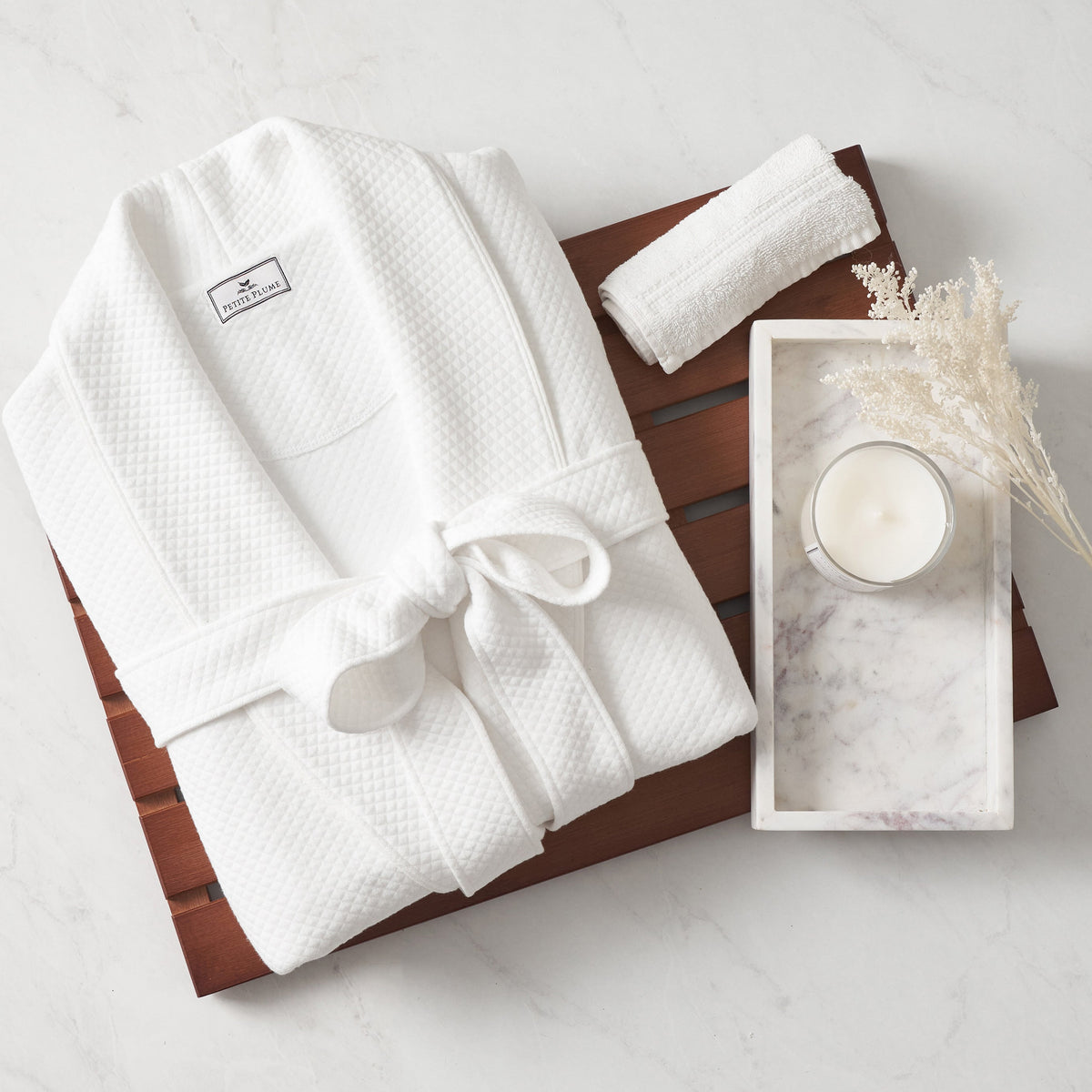
The moments after a bath or shower offer an ideal opportunity to unwind. Wrapping yourself in soft textures — a plush terry robe or breathable cotton layers — extends the body’s gradual transition from activity into calm. Gentle sensory cues like warmth, softness, and lowered lighting help slow down racing thoughts before rest.
Step Four: Replace Screens With Something Restorative
Reading a physical book remains one of the simplest ways to ease into sleep. Unlike screens, which stimulate attention and emit blue light that delays melatonin production, reading slows the heart rate and reduces stress.
Choosing calming material, whether something new or a familiar favorite, allows the mind to unwind. These quiet moments encourage a rhythm many have lost: ending the day not with urgency, but with stillness.
In an always-connected world, reclaiming this uninterrupted time becomes both restorative and deeply grounding.
 Designing a Wind-Down Ritual You Look Forward To
The most effective routines are rituals that feel personally rewarding. Dr. Mah emphasizes choosing activities that nourish rather than demand effort, particularly for those who spend their days helping others.
- Layer simple sensory elements to build a calm, restful environment:
- Lighting a candle can mark the transition from day to night.
- Wrapping up in a terry robe after bathing extends warmth and relaxation.
- Breathable cotton sleepwear supports temperature regulation while creating a sense of quiet comfort.
- Soft, well-made bedding further shapes the environment, reinforcing calm through texture and familiarity.
These elements help create an intentional moment for yourself. When a wind-down routine feels inviting, consistency follows naturally, and sleep becomes an anticipated period of renewal.
Frequently Asked Questions
How long should a wind-down routine be?
A routine lasting 20–60 minutes is ideal, though consistency matters more than duration. Even short rituals can be effective when practiced regularly.
What is the best thing to do before bed to fall asleep faster?
Activities that calm the nervous system — breathing exercises, journaling, warm bathing, or reading — help reduce stimulation and prepare the body for sleep.
Should you avoid screens before bedtime?
Yes. Blue light exposure and mental stimulation from screens can delay melatonin production and make it harder to fall asleep.
Why does a warm shower help with sleep?
The body cools after bathing, and this drop in temperature signals sleep readiness to the brain.
Is a bedtime routine really necessary for adults?
Yes. Adults benefit from consistent sleep cues just as children do. Repetition helps condition the brain to transition into rest more easily.
A Better Tomorrow Begins Tonight
Sleep offers a sense of recovery from the day behind us, Dr. Mah says, and also prepares us for the day ahead. Thoughtful everyday rituals create meaningful change, helping the body release stress and restore energy overnight.
When evenings are approached with care, they become a quiet return to stillness, comfort, and renewal. Protecting tomorrow’s energy begins in the gentle decisions we make tonight.