









Sleep Like It’s Your Job: A Women’s Health Expert's Guide to Truly Restorative Rest

There’s a reason sleep feels increasingly elusive as we get older, and it has very little to do with willpower. For women especially, the relationship between hormones, cortisol, blood sugar, and rest is deeply interconnected, and the usual advice (like “just go to bed earlier”) only goes so far.
We turned to Esther Blum, MS, RD, CDN, CNS — an integrative dietitian and leading menopause expert — for the sleep guidance she gives her own clients. Rather than quick fixes, she offered a whole-day framework with a set of intentional choices, from your morning breakfast to your nighttime ritual. Together, her sleep tips for women support the kind of deep, uninterrupted sleep the body genuinely needs.

Esther Blume, MS, RD, CDN, CNS
_____
According to integrative dietitian and menopause expert Esther Blum, MS, RD, CDN, CNS, women can dramatically improve sleep quality by addressing root causes throughout the entire day, not just at bedtime. Her sleep tips for women combine nutrition (specifically 30g of protein at each meal paired with fiber and quality carbohydrates at dinner), lifestyle (limiting caffeine and alcohol, screen-free evenings), and a targeted bedtime ritual (magnesium supplementation and a cool, dark sleep environment). Together, these strategies regulate cortisol, stabilize blood sugar, and support the body’s natural melatonin production.
Why Sleep Gets Harder for Women — And What's Actually Going On
If your sleep has felt harder to come by in recent years, you’re not imagining it. According to Blum — who serves as Gwyneth Paltrow’s “menopause mentor” — shifting hormone levels are largely to blame. As women move through perimenopause and menopause, estrogen and progesterone drop significantly, and those changes are directly linked to the kind of sleep disruptions that feel maddeningly specific: the 3am wakeups you can't explain, and the racing thoughts that arrive right as you’re drifting off for the evening.
The hormonal shifts don’t stop there. As estrogen declines, so does insulin sensitivity, which means blood sugar becomes more difficult to regulate. High blood sugar has its own set of nighttime issues, from early waking to increased thirst to frequent trips to the bathroom. Cortisol, the body’s primary stress hormone, can also spike overnight as estrogen falls, contributing to both physical restlessness and the kind of low-grade anxiety that makes it hard to stay asleep.
The good news, says Blum, is that these aren’t forces beyond your control. The right lifestyle choices — made consistently throughout the day, not just at bedtime — can work with your body’s natural rhythms. Sleep is something you build from the moment you wake up.

The 6 Pillars of Better Sleep for Women
-
Stabilize blood sugar with protein at every meal
-
Limit caffeine and alcohol
-
Eat quality carbohydrates at dinner
-
Create a cool, dark sleep environment
-
Use magnesium strategically
-
Establish a screen-free bedtime ritual
Start the Day Right: How Your Breakfast Sets Up Your Sleep Tonight
After a tough night of sleep, preparing a balanced breakfast is likely the last thing on your mind. But as Blum points out, better sleep for women just might begin with breakfast. “Start your day off with 30 grams of protein at breakfast, like whey, eggs, cottage cheese, or yogurt,” Blum says. “This will stabilize your blood sugar.”
Given the outsized impact of blood sugar on overnight sleep quality, that’s a meaningful place to begin, especially for women navigating hormonal fluctuations in perimenopause and menopause. And at any age, beginning the day with adequate protein helps keep appetite steady, making the sugary snacks that spike and crash blood sugar far less appealing as the day goes on.
It’s a simple win and a reminder that taking care of yourself today is already setting the stage for a more restful tonight.
Expert Tip: “Start your day off with 30 grams of protein at breakfast, like whey, eggs, cottage cheese, or yogurt. This will stabilize your blood sugar.” — Esther Blum, MS, RD, CDN, CNS
The Truth About Caffeine and Alcohol in Midlife
Two of the most socially accepted daily rituals — the morning coffee and the evening glass of wine — deserve a second look if sleep is a priority. According to Blum, both are harder on the midlife body than many women realize, and both directly impact your quality of your rest.
Caffeine is the less obvious offender. Most of us assume that coffee consumed in the morning is harmless by bedtime, but the liver’s ability to process caffeine efficiently declines with age. For some women, even a single morning cup can linger in the system long enough to interfere with falling or staying asleep. If you’ve been waking in the small hours and can’t identify why, your morning ritual could be worth reconsidering.
Alcohol presents a different but equally disruptive problem. It might feel like it helps you unwind, but alcohol actively fragments REM sleep: the deep, restorative phase your body needs most. The result is often a night that technically looks like sleep but leaves you foggy and unrefreshed by morning. Blum recommends swapping that evening glass of wine for flavored seltzer or a cup of Sleepytime tea. The ritual of unwinding stays, but the sleep disruption doesn’t.
Eat for Sleep: Why Lunch and Dinner Matter More Than You Think
The blood sugar work you started at breakfast doesn't stop there. Blum, previously named “Best Nutritionist” by Manhattan magazine, recommends getting 30 grams of protein at lunch and dinner, paired each time with high-fiber vegetables. “Stabilizing your blood sugar throughout the day will do wonders for your sleep,” she says.
Protein and fiber work together to slow digestion and prevent the blood sugar rollercoasters that can quietly undermine your rest, even if you don't feel their effects until the middle of the night.
A few combinations worth building into your rotation:
- Grilled salmon with roasted brussels sprouts or broccoli
- A protein salad with spinach or kale, lentils, and chickpeas
- Stir-fried vegetables with edamame or chicken breast
The Case for Carbs at Dinner
If you've been avoiding carbohydrates at dinner in the name of wellness, it could be time to reconsider. Blum is clear on this point: A serving of quality starch at your evening meal is a sleep strategy, not a dietary indulgence.
“Make sure you’re getting at least one cup of cooked starch with your dinner,” she advises. “Quality carbs can tamp down your cortisol so you stay asleep throughout the night.” The key is the combination: Carbohydrates alongside the protein and fiber will stabilize blood sugar while simultaneously signaling to your nervous system that it’s safe to slow down. Think sweet potatoes, rice, potatoes, or legumes — whole, satisfying foods that help you sleep and work with your body’s natural rhythms.
Rather than something to restrict, the right carbohydrates at dinner become part of your wind-down, offering a quiet cue to your body that the day is ending and rest is near.
From the Expert: “Quality carbs can tamp down your cortisol so you stay asleep throughout the night.” — Esther Blum, MS, RD, CDN, CNS
Design Your Sleep Sanctuary
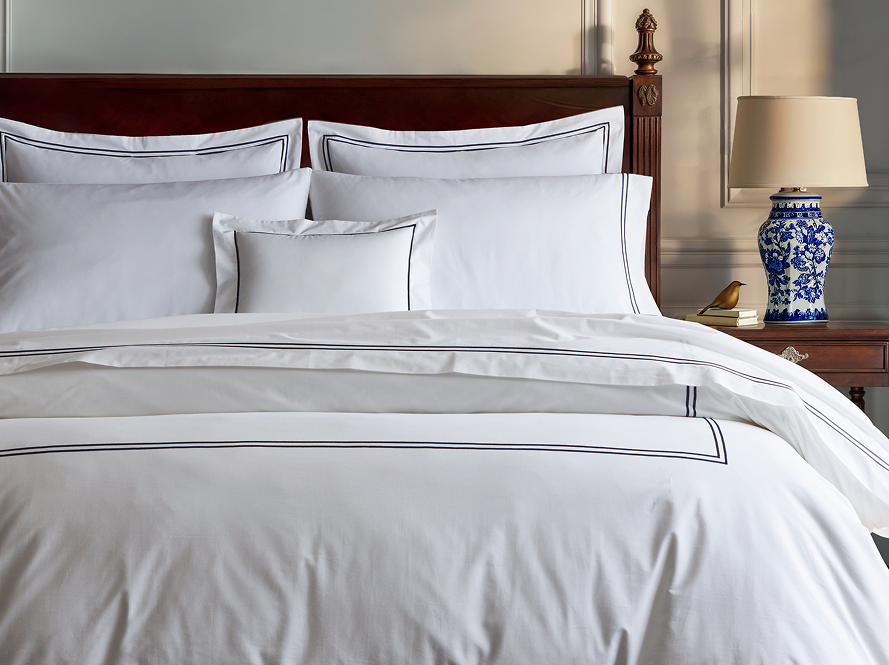
You can do everything right during the day and still undermine your rest if your bedroom setup (link to bedding article) isn’t working for you. Blum recommends sleeping in a cool, dark room, since temperature and light are two key environmental signals your body uses to regulate sleep cycles.
For the sensory details, Blum swears by what she calls the “sleep trifecta” — a white noise machine, earplugs, and a sleep mask. Together, they help seal off the outside world and create the kind of uninterrupted darkness and quiet that allow your nervous system to let go.
And then there’s what you’re actually sleeping in. The fabric against your skin is part of your sleep environment too, and it’s one of the simplest things to upgrade. Soft, breathable sleepwear like women's cotton nightgowns can help regulate body temperature throughout the night, reducing the restless shifting that fragments sleep without you even realizing it.
Top Picks from Petite Plume:
- The Olivia Wide Leg Lightweight Pima Pajama Set: Airy comfort with a sleek, modern silhouette.
- Women's Silk Cami Short Set: Mulberry silk regulates temperature and feels especially gentle on skin.
- Women’s Pima Pajama Set: A year-round favorite in ultra-breathable, buttery soft cotton.
Why Magnesium Is So Soothing
Magnesium is one of the most well-researched nutrients for sleep and one of the most commonly depleted, particularly in women over 40 navigating hormonal changes.
Blum has a three-part magnesium ritual she recommends to help support better sleep for women:
- Evening Epsom salt bath: Magnesium absorbs transdermally, making a warm soak both a source of relaxation and a functional supplement.
- Oral magnesium supplement: Before bed, Blum recommends 400mg of magnesium glycinate because it’s highly bioavailable and gentle on the digestive system.
- Topical magnesium: Finally, she suggests, rub topical magnesium into the soles of your feet, where absorption is particularly efficient.
The combination can help by relaxing muscles, quieting the nervous system, and supporting the deeper sleep stages where the body does essential repair work.
A note: Always consult your doctor before beginning a new supplement regimen, especially if you’re managing a health condition or taking medication.
Why You Should Keep a Notepad Next to Your Bed
The mind has a way of saving its most urgent thoughts for the moment your head hits the pillow. Tomorrow's meeting, an email you forgot to send, the errand that slipped your mind — once those thoughts arrive, they're hard to dismiss.
Blum’s solution is elegantly low-tech: Keep a notepad on your nightstand and write down your to-do list before you try to sleep. The act of externalizing those thoughts — putting them somewhere outside your head — gives your brain permission to let them go. Sometimes, the simplest interventions are the most effective.
Put Down Your Phone: The Screen and Melatonin Connection
Most of us know that screens before bed aren't ideal. Few of us have adjusted our screen habits accordingly. For context, the blue light emitted by phones, tablets, and laptops directly suppresses production of melatonin, the hormone that signals to your brain that it's time to sleep. When blue light interrupts that signal, the brain simply doesn’t get the message.
Blum recommends stepping away from screens 30 to 60 minutes before bed — and making that a non-negotiable. A screen-free hour in breathable cotton pajamas can become something you look forward to. Consider taking a warm bath, reading a few pages of a book, steeping that cup of herbal tea, and changing into something soft and beautiful. The hour before bed can become the most indulgent part of your day.
Make your screen-free hour worth savoring. Discover Petite Plume's sleepwear collections for a thoughtful approach to your evening.
Frequently Asked Questions
What foods help women sleep better at night?
Foods that stabilize blood sugar are key. That includes protein at every meal (aim for 30 grams), fiber-rich vegetables, and quality carbohydrates like sweet potatoes, rice, or legumes at dinner.
Does alcohol really affect sleep quality?
Yes. Alcohol disrupts REM sleep, the most restorative sleep stage. It might help you fall asleep faster, but it fragments sleep throughout the night. Midlife women are especially sensitive to alcohol’s effects due to changes in liver detoxification.
How much magnesium should I take for sleep?
Integrative dietitian Esther Blum recommends 400mg of magnesium glycinate orally before bed, combined with an Epsom salt bath and topical magnesium applied to the soles of the feet for maximum absorption.
What should women wear to bed for better sleep?
Sleep environment, including your sleepwear, plays a meaningful role in your quality of rest. Experts recommend sleeping in a cool setting and dressing in soft, breathable fabrics. For hot sleepers especially, the best pajamas for hot sleepers are made from breathable natural fibers like Pima cotton or mulberry silk
How can I stop waking up in the middle of the night?
Waking at night is often linked to blood sugar crashes or elevated cortisol. Eating a balanced dinner with protein, fiber, and quality carbs, as well as avoiding alcohol and taking magnesium before bed, can all help you stay asleep.
Why do women wake up at 3am during menopause?
The 3am wakeup is largely hormonal. As estrogen declines, cortisol can spike overnight, jolting you awake in the early hours. Falling estrogen also makes blood sugar harder to regulate, and a nighttime crash can trigger the same response. Eating a balanced dinner with protein, fiber, and quality carbs, and taking magnesium before bed, can help address both root causes. Cooling pajamas for women are a great source of comfort, too.
When should I stop drinking caffeine if I have trouble sleeping?
In midlife, even caffeine consumed in the morning can affect sleep due to changes in how the liver metabolizes it. If you're sensitive, consider cutting off caffeine by noon and monitoring its effect on your sleep quality.
What is the best bedtime routine for better sleep?
Start with a screen-free hour before bed — blue light suppresses melatonin production. Use that time to take a warm bath, steep herbal tea, and write tomorrow's to-do list to clear your mind. Take 400mg of magnesium glycinate, keep your room cool and dark, and change into soft, breathable sleepwear as a final signal to your nervous system that the day is done.
_____
Better sleep isn't a single habit. It’s a rhythm you build from the moment you wake up. From the protein on your breakfast plate to the notepad on your nightstand, every choice in Esther Blum’s expert framework is designed to work with your body’s natural hormonal cycles rather than against them.
The reward? Nights that feel restorative. Mornings that don’t require six alarms. And the kind of well-rested clarity that makes everything else throughout the day feel more manageable.
Your choice of luxury women's sleepwear is the final piece in getting the restorative rest you deserve. Choose something soft, breathable, and suited for the beautiful sleep to follow.
_____
Esther Blum is an integrative dietitian and menopause expert who has worked with thousands of women navigating hormonal transitions.