



What Are Snug Fit Pajamas? A Parent's Guide to Safe, Soft Sleep
Children grow quickly, and it doesn’t take long for their favorite clothes to start looking small. But that’s especially true for some pajamas, which often look smaller than regular clothes in the same size, begging the question: why do children's pajamas fit so closely? There is a simple, important answer, and it starts with how these pajamas are made.
Quick Answer: Snug fit pajamas are close-fitting children's sleepwear cut to follow the shape of the body, so almost no loose fabric sits between the cloth and the skin. They are snug because a close fit is one of the recognized ways to make sleepwear safer around a flame, leaving little trapped air to feed a fire. The fit is close by design, yet stretch in the fabric keeps it comfortable rather than restrictive.
Key Takeaways
-
A close fit is a fire-safety design, not a sizing accident, and it reduces the trapped air that can feed a flame.
-
Snug does not mean restrictive, because stretch built into the fabric lets the pajamas move with a child.
-
Children's sleepwear can meet safety goals through two accepted pathways: a snug fit or flame resistance, and families choose by preference.
-
A good pair fits close but is never binding, stretches with movement, and leaves no deep marks or digging waistbands.
-
For extra warmth, layering with a sleep sack or adjusting the room temperature is safer than sizing up into loose fabric.
What Are Snug Fit Pajamas?
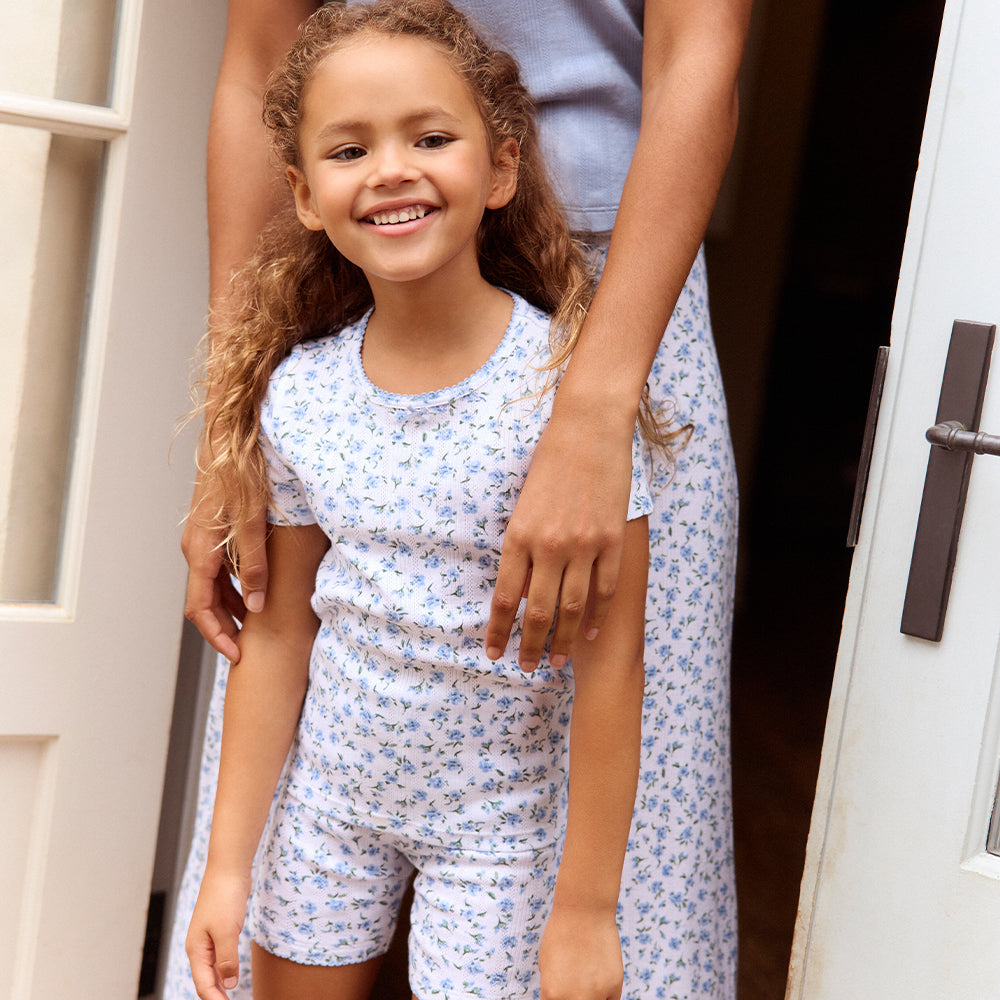
Snug fit pajamas are close-fitting children's sleepwear designed to follow the shape of the body, so there is little loose fabric anywhere on the garment. The fit is close, but it is not restrictive. Stretch is built into the fabric, so the pajamas move with a child instead of constricting.
This is its own category of children's sleepwear, separate from loose loungewear or oversized nightshirts. Where loungewear drapes and floats, snug fit sleepwear stays near the skin from shoulder to ankle. The close cut is the whole point of the design, not a sizing accident or a sign of shrinkage.
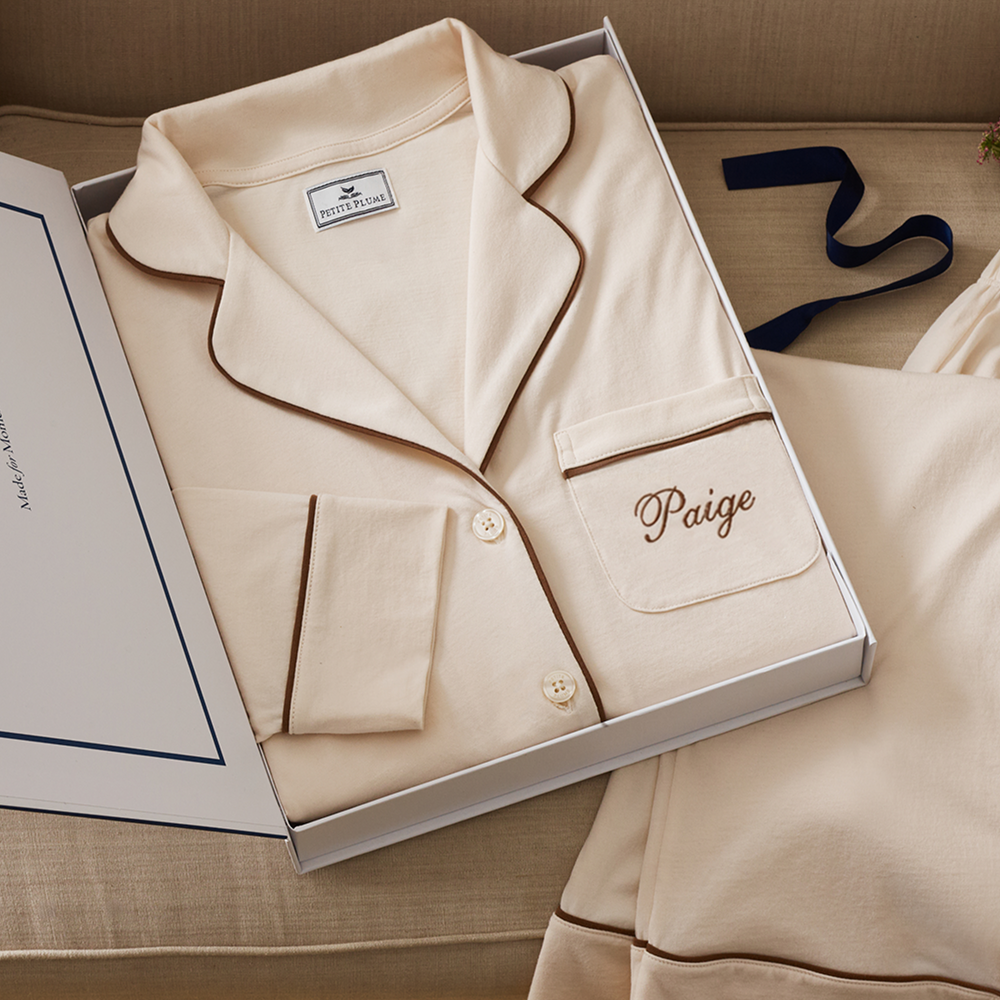
Petite Plume kids' snug fit pajamas show how fitted sleepwear can still feel gentle against the skin. Crafted from buttery soft Peruvian Pima cotton, the sets stay close to the body while keeping a soft hand. For well-crafted sleepwear, “close to the body” doesn’t mean stiff or tight.
Why Kids' Pajamas Are Made to Fit Snugly
Children's pajamas fit snugly for one main reason: fire safety. A close fit is one of the recognized ways to make sleepwear safer around a flame, and it has shaped how these pajamas are cut for a long time.
The reason comes down to something called the air gap. Loose fabric traps a pocket of air between the cloth and the skin, and that trapped air can help feed a flame if the fabric ever meets one. A close fit leaves far less room for that air, so there is less to feed a fire and less space for it to spread.
This is an intentional, safety-led design, not a compromise on comfort. Decades of children's sleepwear safety rules in the United States have pointed toward the same close-fitting shape. Petite Plume approaches children's sleepwear with that same care built in from the start.
Which Sizes the Safety Rules Cover
The safety rules apply to children's sleepwear above the smallest infant sizes and continue up through the older children's size range. This is why a set made for a child who is walking looks and feels closer-cut than the roomy pieces made for a newborn.
The very smallest infant sizes are treated differently. Young babies are not yet mobile enough to reach a flame or move toward one, so their sleepwear is handled in its own way. Once a child grows into the covered sizes, the close fit becomes the standard for pajamas that are not flame resistant.
The safety is built into the fit itself, so a child stays protected simply by wearing pajamas that follow the body.
Snug Fit vs Flame-Resistant Pajamas
Children's sleepwear can meet safety goals through two accepted pathways: a snug fit, or flame resistance. Neither one is inherently safer than the other, so the choice comes down to what a family prefers.
Snug fit pajamas earn their safety through the close cut itself. Flame-resistant pajamas earn it through the fibers or finish of the fabric. Here is how the two compare side by side.
|
Feature |
Snug Fit Pajamas |
Flame-Resistant Pajamas |
|
How safety is met |
A close cut that follows the body |
Fibers or finishes that resist ignition |
|
Typical fit |
Fitted, with stretch |
Can be looser or roomier |
|
Common fabrics |
Soft, breathable fibers with stretch |
Inherently flame-resistant fibers or treated fabrics |
|
Why families choose it |
Safety comes from the fit, not the fabric |
Safety allows a looser silhouette |
Snug Fit Pajamas
Snug fit sleepwear meets safety standards through its close cut rather than through any chemical treatment. The fabrics are usually soft, breathable, and cut with a bit of stretch, so the fit stays comfortable through the night.
Many families prefer this pathway because the safety comes from the fit itself. The pajamas simply need to be sized correctly and worn close to the body.
Flame-Resistant Pajamas
Flame-resistant pajamas meet the same standards through the fabric instead of the fit. Some are made with inherently flame-resistant fibers, and others use fabrics that self-extinguish, which means the material stops burning on its own once the flame is removed. This pathway allows a looser silhouette.
Some parents ask whether flame resistance means added chemicals. It does not have to. Inherently flame-resistant fibers carry the protection in the fiber itself and do not rely on an added chemical finish.
Petite Plume children's cotton twill follows this pathway. A small percentage of inherently flame-resistant modacrylic fiber is woven into long-staple cotton, so the fabric meets federal flammability standards with no added chemicals.
What "Snug" Should and Shouldn't Feel Like
Snug pajamas should stretch, move with a child, and feel comfortable from lights-out to morning. The garment is meant to follow the body, not to squeeze it. A good pair feels close but never binding.
There is a common worry that a close fit might affect circulation. Properly designed snug pajamas are built with stretch for exactly this reason, so they stay close without constricting. The give in the fabric is what keeps the fit safe and comfortable at the same time.
A pair that is too small will show clear signs. Watch for deep marks left on the skin, a waistband that digs in, trouble bending at the knees or elbows, or a child who complains about the fit. Any of these means it’s time to size up.
Sizing up too far, though, works against the safety purpose, because loose fabric brings back the air gap the close fit is meant to reduce. The goal is a sensible amount of room to grow, not a set several sizes too big. Peruvian Pima cotton with a bit of stretch helps Petite Plume snug fit sets stay close without feeling tight.
Keeping Children Warm and Comfortable
Comfort comes from breathable fabric and the right size, not from extra layers of loose cloth. A breathable fabric helps a child stay at an even temperature through the night, which matters more than bulk.
Peruvian Pima cotton offers buttery softness all year-round, and children’s cotton twill has a crisper feel that grows softer after each wash. Choose based on personal preference, the season, and the sleep environment.
When a child needs more warmth, layering is the safer path than sizing up. For babies, a sleep sack or wearable blanket adds warmth over a snug set without adding loose pajama fabric. For older children, a small adjustment to the room temperature does the work that an oversized pair cannot. Sleepwear made this way is meant to be enjoyed and passed down.
Frequently Asked Questions
What does snug fit mean for pajamas?
Snug fit means the sleepwear is cut close to the body with built-in stretch, so there is little loose fabric. It does not mean the pajamas squeeze or restrict the child.
Are snug fit pajamas safe?
Yes. A snug fit is one of the recognized safe designs for children's sleepwear, because a close cut leaves little trapped air to feed a flame.
Why are toddler pajamas so tight?
Once a baby reaches the sizes covered by children's sleepwear safety rules, pajamas that are not flame resistant must fit snugly. That is why sets for the early toddler ages are cut closer than roomy baby clothes.
What is the difference between snug fit and flame-resistant pajamas?
Both meet the same safety goal in different ways. Snug fit relies on a close cut, while flame-resistant relies on fibers or finishes that resist ignition, and families choose by preference.
How should snug fit pajamas fit a child?
They should feel close but comfortable, stretch with movement, and leave no deep marks or digging waistbands. If a child cannot move freely, size up.
A Fit Made for Sleep
Snug fit is a safety-led design, and it can still feel soft against the skin and look beautiful at bedtime. A close cut and buttery Peruvian Pima cotton belong together, proof that everyday elegance and everyday care can share the same pair of pajamas.
Explore kids' pajamas made for safe, soft sleep.