








Hospital Bag Essentials: What to Pack for Labor and Delivery
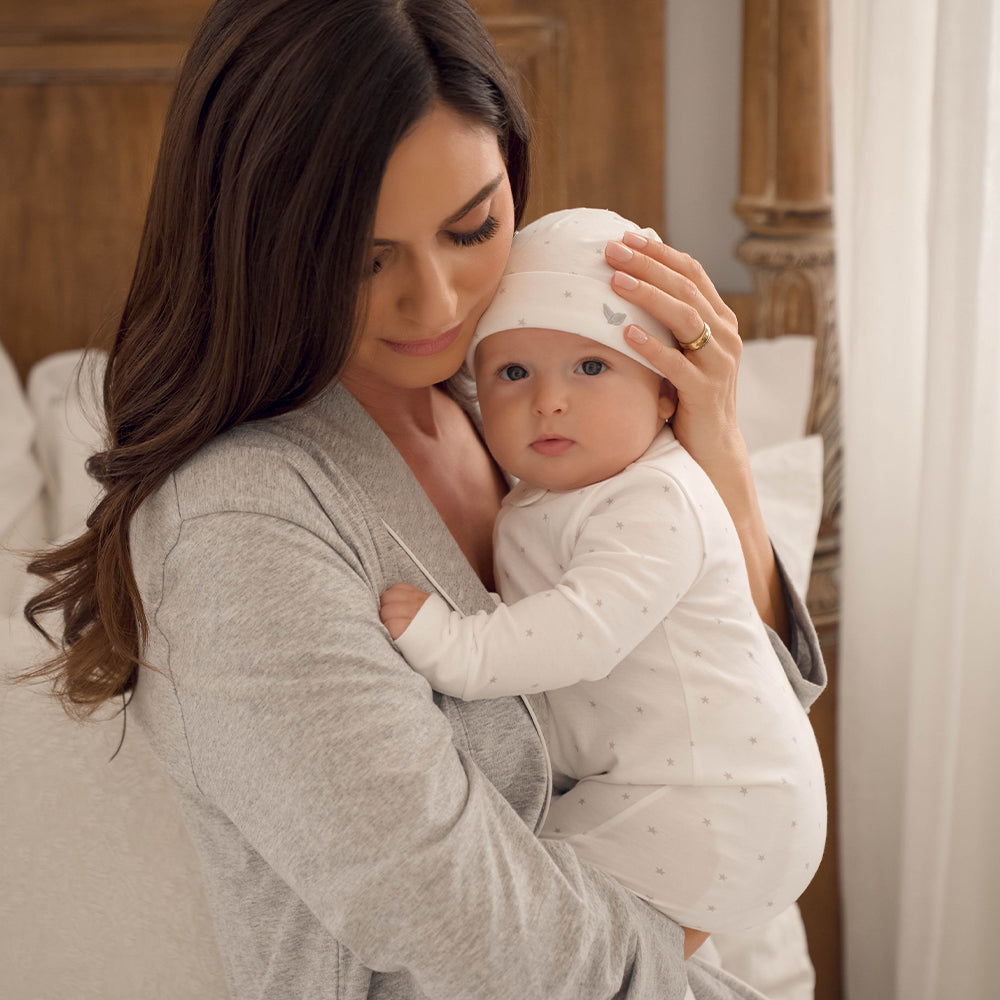
There’s something special about the weeks spent waiting, folding tiny clothes, and imagining that first hello. Packing a hospital bag is one of the last quiet rituals before everything changes. A thoughtfully packed bag brings comfort when it matters most, not clutter. The American Pregnancy Association hospital bag checklist is a helpful starting point, and the guide below covers everything to pack for mom, baby, and a partner.
The Short Answer: Pack a hospital bag by 36 weeks of pregnancy. Focus on three categories: essentials for mom (comfortable clothing, toiletries, nursing items, and documents), essentials for baby (a going-home outfit, car seat, and blanket), and essentials for a partner or support person (snacks, a change of clothes, and a charger). Pack light. Hospitals provide many basics, from diapers and wipes to mesh underwear and ice packs.
Key Takeaways
-
Pack the hospital bag by 36 weeks of pregnancy, or earlier for high-risk pregnancies
-
Organize into three separate bags: one for mom, one for baby, and one for a partner
-
Prioritize comfort-focused clothing, like buttery soft pajamas and a nursing-friendly robe
-
Hospitals typically provide diapers, wipes, mesh underwear, pads, and basic toiletries
-
A properly installed, rear-facing car seat is required before leaving the hospital
When to Pack a Hospital Bag
For peace of mind in those final weeks, aim to have the hospital bag packed between 34 and 36 weeks. The ACOG guide on recognizing early labor signs recommends having a bag packed and stored in a handy place, like a hall closet or the trunk of a car, well before the due date. Babies do not always follow a schedule, and having a bag ready removes one thing from the mental list.
Keep daily-use items like a toothbrush, glasses, and phone charger out of the bag until go-time. A sticky note on top of the bag listing those last-minute items makes a middle-of-the-night departure much smoother.
For pregnancies involving multiples or higher-risk conditions, packing closer to 32 weeks is a good idea. The goal is simple: Have the bag ready before it is needed.
What to Pack for Mom
Clothing and Comfort
For the hours after delivery, soft clothing can make a real difference. Hospital gowns work fine during labor, but afterward, a familiar pair of pajamas feels like a small gift. Look for front-opening styles that allow easy nursing and skin-to-skin contact.
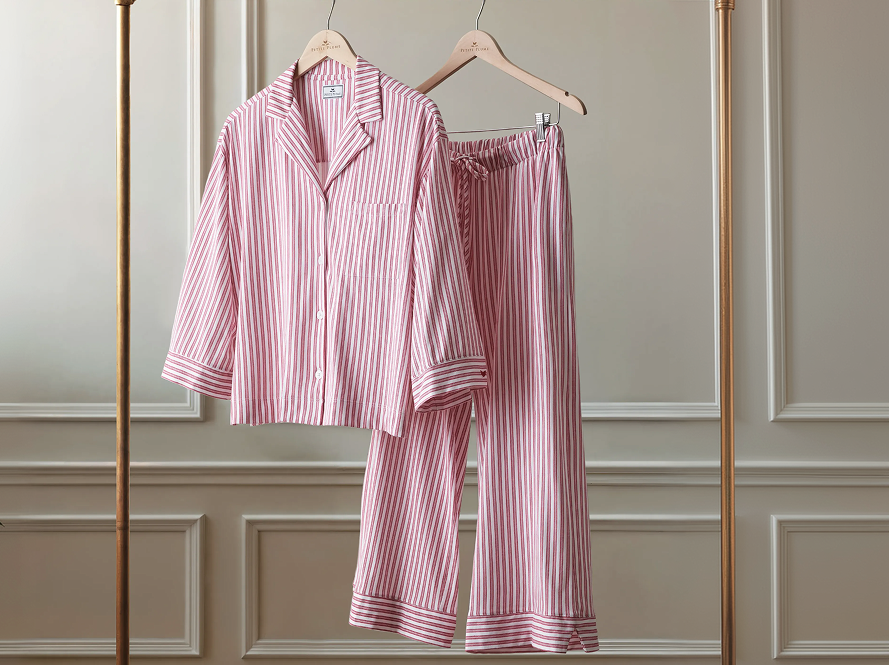
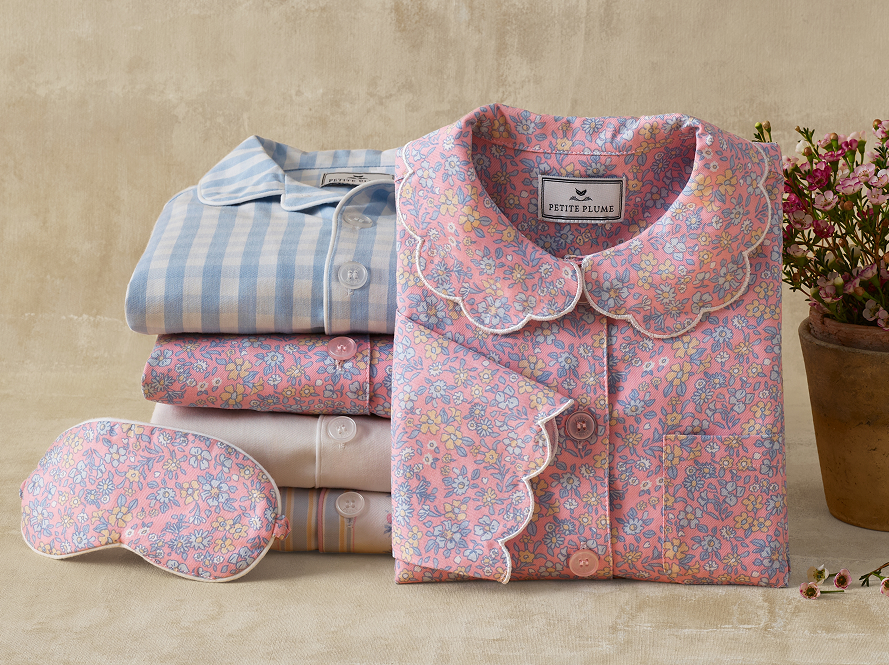
Petite Plume pajama sets crafted from buttery soft Pima cotton are designed with postpartum comfort in mind. The breathable fabric feels gentle against sensitive skin, and front-button styles make middle-of-the-night feedings simpler. A lightweight robe layered over pajamas offers warmth for visitors and easy movement through hospital hallways. For nursing-friendly styles designed for new and expecting mothers, explore the Petite Plume maternity collection.
Pack non-slip socks or slippers for walking the halls. For the ride home, choose a loose, soft outfit. Plan for clothing that fits a changing body and makes daily life simpler when sleep is disrupted.
Toiletries and Personal Care
Hospitals provide the basics (soap, shampoo, toothpaste), but using familiar products can feel grounding during an unfamiliar time. Pack a toothbrush, lip balm, face wash, deodorant, shampoo, and a few hair ties.
Dry shampoo is a small luxury that earns its place in the bag. A travel-size moisturizer and a gentle face mist can help skin feel refreshed after a long labor.
Nursing and Postpartum Essentials
Pack two to three nursing bras in a comfortable, wire-free style. Breast pads, nipple cream, and a manual or electric breast pump (if planning to breastfeed) are all worth having close by.
For postpartum recovery, many hospitals provide a peri bottle, witch hazel pads, and ice packs. Check with the hospital in advance. If they do not provide these, add them to the bag. For more on comfortable sleepwear for postpartum recovery, Petite Plume Le Petit Journal has a helpful guide.
Documents and Practical Items
Bring a photo ID, insurance card, and a copy of the birth plan. Pre-registering with the hospital before the due date can save time during check-in.
A phone charger (the longer the cable, the better) is essential. Hospital outlets are often far from the bed. Pack a small folder for the paperwork that arrives after delivery, from birth certificate forms to discharge instructions.
What to Pack for Baby
For those very first moments, a baby needs surprisingly little. Hospitals provide diapers, wipes, blankets, hats, and formula during the stay. The main job is packing for the trip home.
A going-home outfit is the one item worth choosing with care. Pack two sizes (newborn and 0 to 3 months) because birth weight is always a surprise. A soft receiving blanket and a pair of socks round out the essentials. Browse the full Petite Plume baby collection for buttery soft styles in every size.
A Petite Plume baby romper in buttery soft Pima cotton makes a beautiful going-home outfit, the kind of piece that gets folded into a keepsake box long after it has been outgrown. The Pima Snug Fit Romper or a classic footie in a coordinating family print turns that first car ride into something even more memorable.
A rear-facing car seat, properly installed, is required before discharge. The NHTSA car seat safety guide covers installation requirements and inspection station locators. Many hospitals will check the installation before releasing the family.
What to Pack for a Partner or Support Person
For the person standing beside the bed, comfort matters too. Labor can stretch for hours, and a small, well-packed bag makes a long stay easier.
Include a change of clothes, basic toiletries, snacks (granola bars, trail mix, crackers), cash for the cafeteria, a phone charger, and a pillow from home. Comfortable shoes are important for hours of standing and pacing.
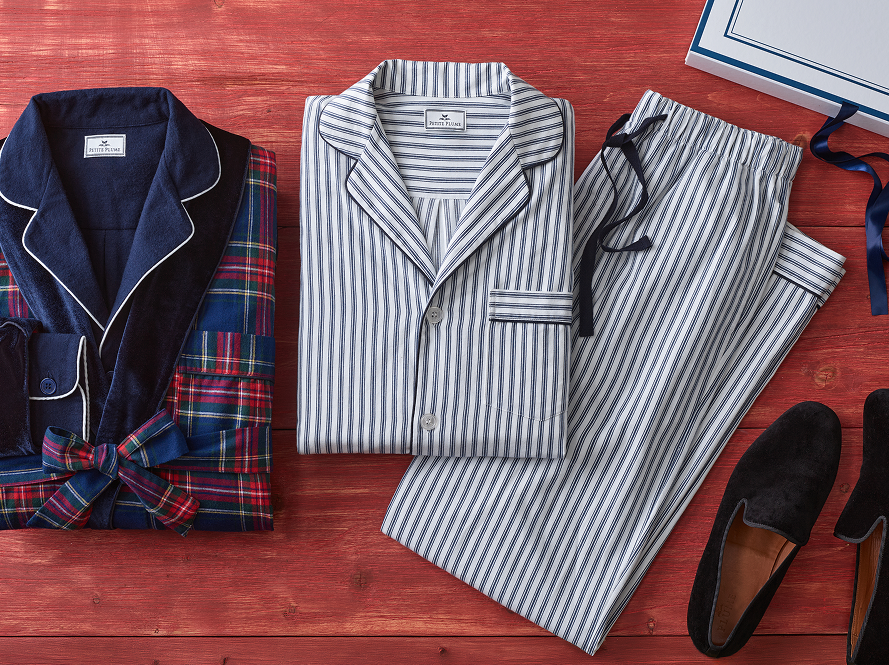
Petite Plume men's pajama sets in coordinating prints give a partner something comfortable to wear during overnight hospital stays. When the first family photos happen (and they will), coordinated Pima cotton pajamas in a matching print create a beautiful, lasting image.
What NOT to Pack
Knowing what to leave behind is just as helpful as knowing what to bring. A few common overpacking mistakes to avoid:
-
Pre-pregnancy clothes. The body needs time. Pack loose, comfortable clothing instead.
-
Valuables and jewelry. Leave rings, watches, and anything irreplaceable at home.
-
Too many baby outfits. One or two outfits is plenty. The baby will be swaddled in hospital blankets most of the time.
-
Diapers, wipes, and formula. Hospitals stock all of these during the stay.
-
Candles or anything with an open flame. These are not permitted in hospital rooms.
Most hospitals also provide mesh underwear, sanitary pads, a peri bottle, infant blankets, and basic toiletries. Ask the labor and delivery unit in advance for a full list of what is included.
Hospital Bag Packing Tips
For a smooth departure when the time comes, a few small strategies go a long way.
Use separate bags for mom, baby, and partner. Clear labeling or different colored bags makes it easy for anyone to grab the right one. Keep the bags by the front door after 36 weeks.
Wash all baby clothes with unscented detergent before packing. New fabrics can irritate newborn skin, and pre-washed clothing is softer from the first wear. For guidance on keeping Pima cotton soft and color-true, see the Petite Plume fabric care instructions. Place a sticky note on top of the bag listing last-minute items (toothbrush, glasses, charger) that need to be tossed in before leaving.
Have the car seat installed before 37 weeks. According to ACOG car safety guidelines, having the seat inspected at least three weeks before the due date allows time for adjustments. Many local fire stations and hospitals offer free car seat installation checks.
For families who love a coordinated look, Petite Plume family matching pajamas bring everyone together in the same print for those first photos. From baby rompers to women's and men's pajama sets, coordinating styles in the same Pima cotton prints create a keepsake moment instantly.
Frequently Asked Questions
How early should I pack my hospital bag?
Pack by 36 weeks of pregnancy. For pregnancies that are high-risk or involve multiples, packing closer to 32 weeks gives extra peace of mind. Keep a sticky note on the bag listing daily items to grab on the way out.
What does the hospital provide for labor and delivery?
Most hospitals provide a gown, mesh underwear, sanitary pads, ice packs, diapers, wipes, infant blankets, formula, and basic toiletries like soap and shampoo. Call the labor and delivery unit ahead of time to confirm what is included.
Do I need to bring diapers and wipes to the hospital?
No. Hospitals provide newborn diapers and wipes for the duration of the stay. Only pack a small supply if a specific brand is strongly preferred.
What should I wear home from the hospital after giving birth?
Loose, comfortable clothing that fits a body still shaped by pregnancy. Soft pajamas, stretchy leggings, or a flowy maxi dress all work well. Avoid anything with a fitted waistband.
What is the most forgotten hospital bag item?
A long phone charger. Hospital outlets are often far from the bed, and a standard-length cable rarely reaches. Pack an extra-long charging cable and a portable battery pack as a backup.
Should my partner pack a separate hospital bag?
Yes. A small bag with a change of clothes, snacks, toiletries, a phone charger, and a pillow from home helps a partner stay comfortable during a long labor and overnight stay.
For long nights in a hospital room, for the first time the whole family is together, for the ride home that changes everything. A well-packed bag doesn’t need to be perfect. It just needs to bring comfort.


