








What to Wear After Surgery: Best Sleepwear for Comfort and Recovery
Recovery after surgery is a deeply personal process. Whether you're coming home from a planned procedure or navigating weeks of post-operative rest, coordinating daily tasks becomes more challenging. Choosing what to sleep in shouldn’t add to that pressure.
The right sleepwear after surgery requires comfort, plus a well-suited structure to accommodate how you move, how a caregiver can assist you, and how your skin breathes while incisions heal. What you wear should help you feel more like “yourself” during a time when your body doesn't feel quite your own.

This guide walks through everything to consider when choosing what to wear to sleep during recovery: the fabrics that support healing skin, the silhouettes that work around dressings and accommodate limited mobility, and the features that make the difference between a restless night and genuine rest. Recovery can be a challenging process, and simpler sleepwear can offer necessary comfort along the way.
Reader note: Always consult your doctor or medical care team for personalized post-surgery guidance, specific to your unique situation.
_____
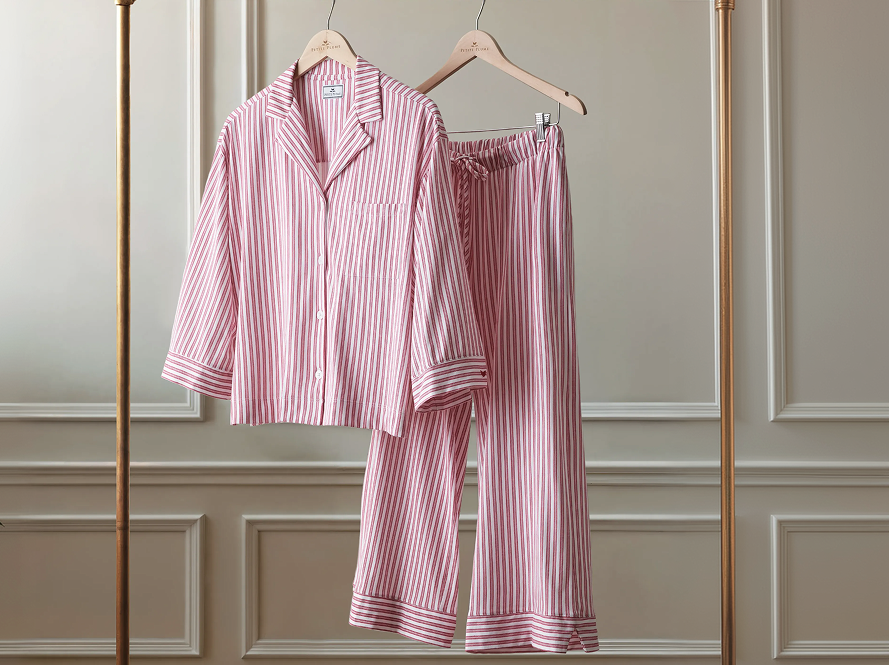
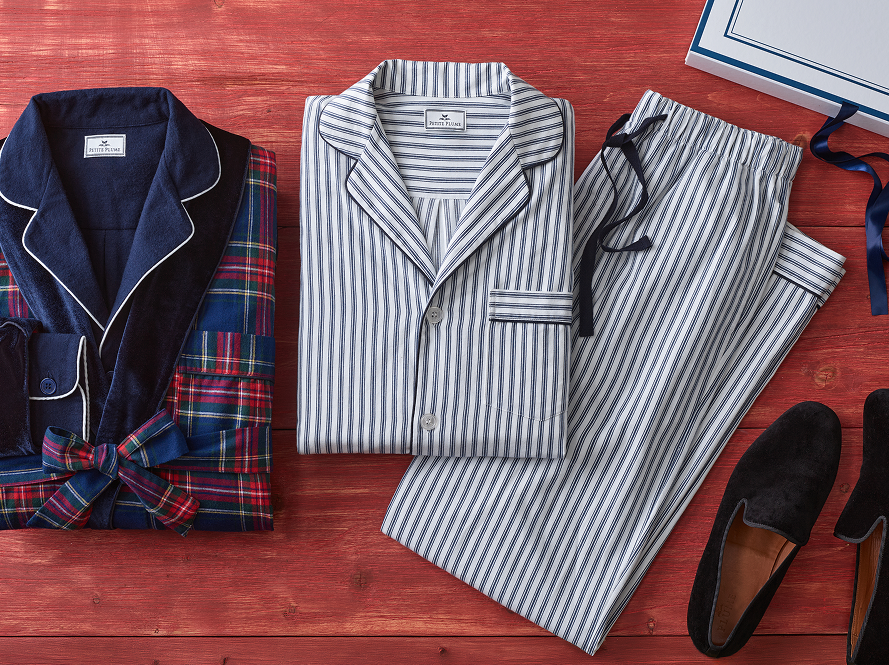
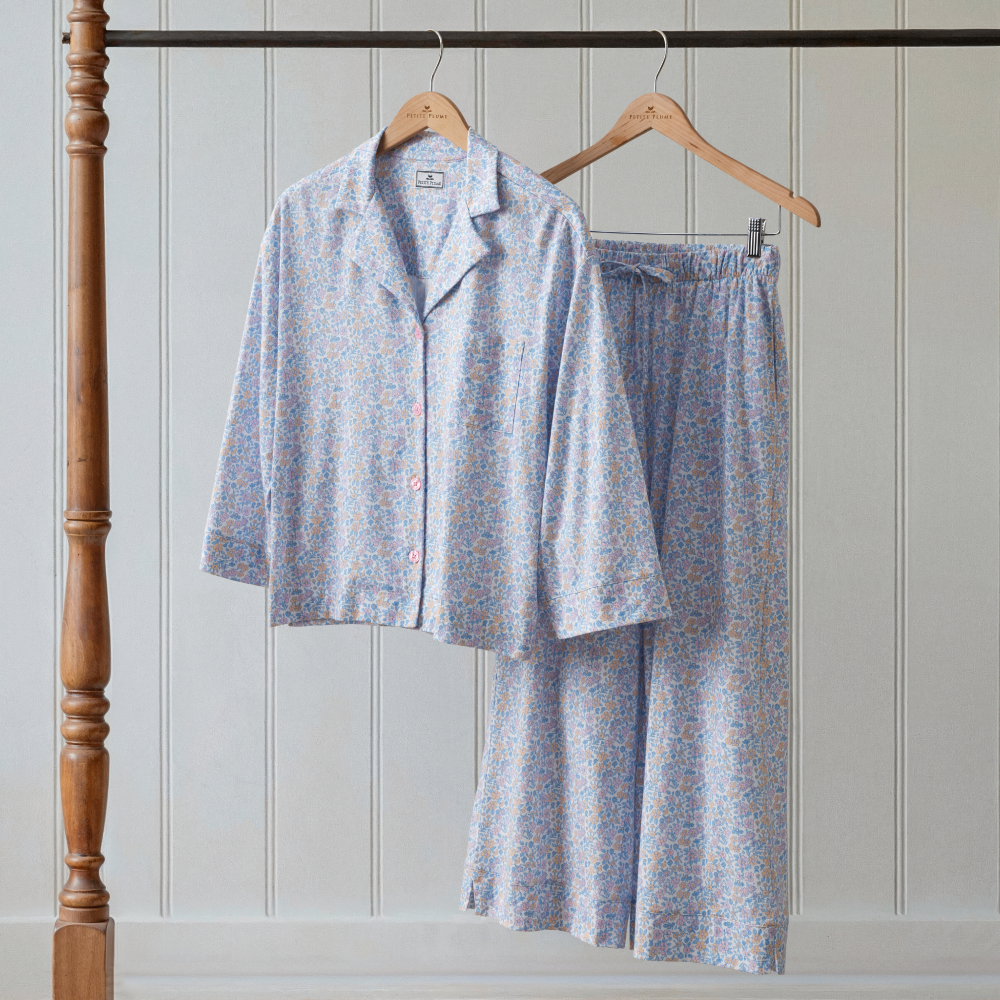
After surgery, the best sleepwear prioritizes soft, breathable, natural fabrics like 100% cotton that won't irritate sensitive or healing skin. Look for comfortable fits with minimal seams near incision areas, front-opening closures for easy dressing without raising arms or bending, and gentle waistbands if abdominal surgery is involved. Avoid synthetic fabrics, tight elastic, and anything that requires pulling over the head if upper-body mobility is restricted. Button-front pajama sets and wide-leg pants are among the most recommended options by post-surgical care guidelines. Petite Plume's classic cotton pajama sets — designed with clean lines, soft fabric, and thoughtful construction — are an elevated option for recovery.

Why Your Sleepwear Choice Matters During Recovery
After surgery, the body works hard to repair itself, and sleep quality directly affects how well that process unfolds. Poor sleep is linked to slower wound healing, heightened pain sensitivity, and reduced immune response. Meanwhile, skin near incisions is especially fragile: Friction from rough seams, pressure from tight elastic, or heat trapped by synthetic fabrics can all irritate healing tissue. Soft, breathable fabric supports comfort, night and day.
Sleepwear also affects caregiver ease and emotional wellbeing in ways that are easy to underestimate. Front closures and generous openings make dressing assistance faster and far less uncomfortable for everyone involved. And feeling well-dressed, even in bed, has a measurable effect on mood. When so much feels out of your hands, putting on something soft and well-made can restore a quiet sense of comfort.
The Most Important Fabric Features to Look For
Premium 100% cotton, particularly long-staple Pima cotton, is widely considered the gold standard for recovery sleepwear. Its fibers are breathable and moisture-wicking, helping regulate body temperature and prevent the heat buildup that can aggravate inflammation. Cotton is also gentle against sensitive skin, holds up beautifully to frequent washing, and tends to grow softer with every cycle. Lightweight Pima cotton is an excellent option for warm sleepers or the summer months.
Don’t wear this:
- Polyester and nylon trap heat and moisture, increasing discomfort around healing areas.
- Rough lace and textured embellishments can irritate incisions and sensitive skin.
- Stiff seams that sit against or near the body can cause uncomfortable friction and make moving more difficult.
A simple rule: if a fabric would feel scratchy against healthy skin, it has no place against healing skin.

The Best Silhouettes and Fits for Post-Surgery Sleep
Beyond fabric, the shape and construction of your sleepwear determines how easily you can dress independently, how comfortably you can sleep, and how much strain is placed on healing areas during movement.
Button-front tops are the single most useful design feature for post-surgical dressing. They eliminate the need to raise arms overhead or pull fabric across tender areas, which is essential for shoulder, breast, heart, or upper-body recoveries, and they allow a caregiver to assist with minimal maneuvering. Wide-leg pants are equally important to accommodate swelling, layer easily over compression garments, and make dressing simpler without bending at the hip or knee.
For lower-body procedures, such as hip or knee replacement, gynecological surgery, or anything that makes pulling pants upward difficult, a nightgown is often the more practical choice. A carefully tailored nightgown in fine cotton allows easy movement and keeps the body covered without pressure. Adding a lightweight robe provides an easy layer to add or shed during the night without fully waking or requiring assistance.
What to Wear for Specific Types of Surgery
Different procedures create different practical requirements. These general tips are often helpful — and most importantly, be sure to follow personalized advice from your care team.
Breast Surgery or Mastectomy
Front-opening tops are non-negotiable after breast surgery. Look for button-front women’s pajamas that provide access without any lifting of the arms, and that can accommodate surgical drains, if present, by tucking them securely inside a breast pocket or pinning them to the inside of the garment. Soft cotton against the chest is essential — nothing structured, underwired, or tight. A loose-fitting button-front top worn with wide-leg pants offers the greatest combination of comfort and access.
C-Section or Abdominal Surgery
The priority here is protecting the incision line from any contact with waistbands. Soft pajamas with pants that sit above the incision — at the natural waist rather than the hip — are ideal. A button-front or clip-down top is helpful for patients who are nursing. Avoid anything with a low-rise fit in the early weeks of recovery, and choose fabrics that breathe well to support the skin underneath any abdominal binder your care team may recommend.
Hip or Knee Replacement
Plan for easy dressing and undressing with minimal bending. Wide-leg pants that can be stepped into rather than pulled over are a strong choice, as are nightgowns, which eliminate the need for pants altogether. Button-front tops remain useful for comfortable dressing, though the primary challenge with hip and knee recovery is usually the lower body. Avoid tight-fitted leggings or anything with a narrow leg opening that requires effort to slide over the knee or hip.
Shoulder Surgery
Button-front tops are the only practical choice after shoulder surgery. With an arm sling limiting range of motion and overhead lifting entirely contraindicated, a pullover of any kind is simply not compatible with recovery. Look for pajama tops with generous, open armholes and buttons that run the full length of the front. Paired with easy-on pants, these sets allow for dressing and undressing with minimal assistance.
Heart Surgery or Sternotomy
After open-heart surgery, the sternum requires significant time to heal, and any pressure on the chest — including tight fabric across the front — should be avoided. Loose-fitting, soft pajamas with button-front tops that fall away from the chest rather than lying against it are the correct choice. Nothing that constricts, crosses the chest with any tension, or requires pulling motion to put on or remove.
Hysterectomy or Gynecological Surgery
Similar to C-section recovery, the focus here is on a soft, non-compressive waistband and breathable fabric against the lower abdomen and pelvic area. Nightgowns are often preferred in the early weeks for their ease of movement. If pajama pants are more comfortable, ensure the waistband is soft, wide, and sits comfortably above any incision or tender area.
Recovery Essentials from Petite Plume
- Button-front cotton pajama set
- Lightweight cotton nightgown
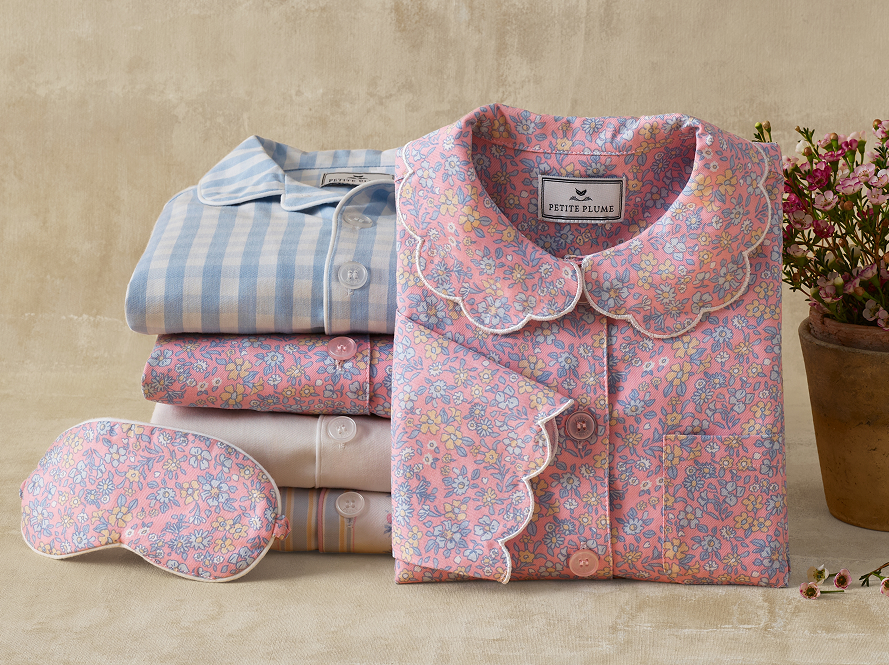
- Silk sleep mask
- 100% cotton robe
- Slippers
- Cashmere wrap
- Cashmere socks
Temperature Regulation During Recovery: An Underrated Factor
One of the more surprising aspects of post-surgical recovery is how dramatically body temperature can fluctuate. Night sweats are common in the days following surgery, driven by the body processing anesthesia, the inflammatory response to tissue repair, hormonal shifts, and the thermoregulatory effects of pain medications.
Heavy sleepwear, while intuitive when you feel cold and unwell, can quickly become uncomfortable. The better approach is layering: a lightweight cotton pajama set as the base, paired with a soft robe that can be pulled on or removed without fully waking.
The Emotional Side of Recovery Clothing
In addition to the physical considerations, there is a meaningful emotional component to post-surgery recovery. Experiencing discomfort, adjusting to new physical limitations, and relying on others for daily tasks can impact a person's sense of agency and self. These are genuine psychological challenges, and the clothes you wear, even to bed, are not entirely separate from them.
In 2012, researchers formally described the concept of "enclothed cognition" — the idea that clothing carries meaning that influences our self-image and our thoughts. In short, what you wear affects your mindset. Just as putting on a favorite outfit before an important meeting can sharpen focus and confidence, dressing in something intentional and well-made during recovery can support a more positive outlook during a difficult period.
Recovery removes a great deal of everyday agency. Medical instructions, physical limitations, and dependence on others all narrow the space for personal choice. Thoughtful clothing is one of the few choices that remains more fully your own: a small but real act of self-care that communicates something about how you wish to be seen and how you see yourself.
For those supporting someone through recovery, well-crafted sleepwear is among the most practical and thoughtful gifts you can give. It's something the person will use every day, in a context where comfort matters more than almost anything else. Soft Pima cotton in beautiful, carefully considered designs can offer a sense of comfort. For an added personal touch, monogrammed pajamas are ideal.
Caring for Recovery Sleepwear: Practical Notes
Before and after your surgery, caring for garments thoughtfully will keep them in beautiful condition while ensuring they remain comfortable throughout your recovery.
Always launder new pajamas and garments before the first wear, and plan to wash them at least every two to three days during recovery. Gentle, fragrance-free detergent is ideal for both the longevity of the fabric and the sensitivity of healing skin. See our full pajama care guide to keep your sleepwear in beautiful shape.
Inevitably, post-surgery garments may require special care after contact with ointments, wound dressings, or topical treatments. Pre-soaking or gently pre-treating any affected areas before washing will help protect the fabric. If a caregiver is available to handle laundry in the early days, that's worth arranging, both to preserve your garments and to ensure you're not lifting anything heavy before your care team has cleared you to do so.
What to Wear After Surgery (Quick Guide)
- Choose breathable natural fabrics (like cotton pajamas or silk pajamas)
- Wear loose, non-restrictive fits
- Opt for button-front tops for easy dressing
- Avoid tight elastic and synthetic materials
- Layer for temperature changes
Frequently Asked Questions
What is the best fabric to wear to sleep after surgery?
Premium 100% cotton is the most recommended fabric for post-surgical sleepwear. It's soft, breathable, non-irritating to sensitive skin, and simple to launder. For hot sleepers after surgery, lightweight Pima cotton is an especially comfortable option.
What should I wear to sleep after a C-section?
After a C-section, look for gentle cotton pajama pants with a soft, wide waistband that sits above the incision line. Avoid waistbands that sit directly on the lower abdomen. A button-front or clip-down top allows for easy nursing access, if applicable, and avoids straining the core.
What should I wear to sleep after breast surgery or a mastectomy?
A soft, front-opening pajama top is essential after breast surgery. Look for women’s pajamas that allow easy access without lifting arms, accommodate surgical devices if present, and have no underwire or structured support. Fine cotton is preferable to synthetic fabrics.
Is it better to wear a nightgown or pajamas after surgery?
Both can work, depending on the procedure. Nightgowns are particularly helpful after lower-body, hip, or gynecological surgeries that make pants difficult to manage. Pajama sets with button fronts offer more coverage and temperature control for upper-body or abdominal recoveries.
What should I avoid wearing to sleep during recovery?
Avoid synthetic fabrics (such as polyester or nylon), tight elastic waistbands near incision sites, pullover tops if upper-body mobility is limited, rough lace or textured fabric near healing skin, and anything with a complicated closure that a caregiver cannot easily assist with.
How many pairs of pajamas do I need for post-surgery recovery?
Plan for at least three to four sets to allow for frequent laundering, especially in the first two weeks. High-quality cotton pajamas that hold up after multiple washes are worth the investment during a period when fresh, clean sleepwear matters most.
Summary
Recovery requires us to have patience, stillness, and the willingness to be cared for. Seemingly small decisions, made thoughtfully, can ease that process in meaningful ways. What you wear to sleep can offer essential comfort during a challenging time.
The right sleepwear — soft, well-constructed, easy to take on and off — supports the conditions for real rest while healing continues.
Whether you're preparing for a procedure or supporting someone through recovery, the same principles hold true: prioritize natural fabrics, choose thoughtful construction, and don't underestimate the simple comforts of feeling more like yourself as you recuperate.
Explore the full collection of Petite Plume women’s pajamas and men’s pajamas, crafted in premium, natural fabrics for restorative rest.
Reader note: Always consult your doctor or medical care team for personalized post-surgery guidance, specific to your unique situation.


