




Luxury Pajamas for Women: How Sleepwear Impacts Sleep Quality
Some of the best things in life happen while you're asleep. Your skin repairs itself. Your memory consolidates. Your nervous system exhales. Your body, quietly and without any effort on your part, does some of its most important work.
Although sleep is an act of letting go, it takes an intentional approach to live a well-slept life. The environment you create, the ritual you build around it, even what you wear to bed are everyday choices that compound into truly restorative nights and fresh starts each morning.
Sleep is the one investment that quietly benefits everything else: your clarity, your patience, your energy, the way you show up for the people and pursuits that matter most. Protect your rest accordingly.

Sleep experts increasingly recognize that what you wear to bed is a meaningful part of sleep hygiene: fabrics that regulate body temperature, reduce friction against skin, and signal psychological readiness for rest all contribute to deeper, more restorative sleep. For those seeking to elevate their sleep ritual, investing in high-quality sleepwear is one of the most impactful and enduring changes to make.
Why Sleep Has Become the New Status Symbol
There was a time when running on four hours of rest was a badge of honor. Hustle culture wore exhaustion like a trophy, and "I'll sleep when I'm dead" was a far too common cliche. That era is over.
Today, noteworthy individuals ranging from Arianna Huffington to LeBron James are vocal about the rest they protect. And sleep tourism — travel specifically designed around rest, recovery, and sleep optimization — has become one of the fastest-growing segments of the luxury travel industry. Sleep concierge services have emerged, and items like sleep-tracking rings and premium mattresses have become aspirational.
What changed? The science caught up with what our bodies always knew. When researchers began quantifying the performance costs of poor sleep on cognition, immunity, metabolism, emotional regulation, and skin appearance, the mindset shifted.
Luxury pajamas for women are a natural extension of this cultural moment. If you're investing in your sleep environment, then the garments you wear night after night deserve the same level of intention.

The Science of Restorative Sleep (And Why Most People Aren't Getting It)
While you sleep, your body is anything but idle. In the first hours of the night, deep slow-wave sleep triggers the release of human growth hormone, signaling your body to repair tissue, rebuild muscle, and regenerate skin cells. This is when the work of looking and feeling your best actually happens.
Later, during REM sleep, your brain processes the emotional weight of the day, consolidates memories, and clears metabolic waste through the glymphatic system, a kind of cerebral housekeeping that only runs while you're unconscious. Collagen production peaks during deep rest, which adds more context to the term “beauty sleep.”
And yet more than one-third of U.S. adults are chronically sleep-deprived. The cost of that habit shows up everywhere, from elevated cortisol levels that accelerate aging to patience that runs thinner than it should.
The good news is that sleep quality responds meaningfully to intentional change. And that change can start tonight.

What the Research Shows
- More than one-third of U.S. adults are not getting enough sleep on a regular basis. (CDC, 2016 and 2023)
- Adults who sleep fewer than 7 hours per night are at higher risk for obesity, heart disease, diabetes, and depression. (CDC, 2024)
- The National Sleep Foundation recommends 7–9 hours of sleep per night for adults ages 18–64. (National Sleep Foundation, 2025)
- Core body temperature must drop by 1–2°F to initiate sleep onset; environmental temperature is one of the strongest external regulators of this process. (NIH/National Library of Medicine, 2019)
- REM sleep, which supports memory consolidation and emotional regulation, is disproportionately lost when total sleep time is reduced. (National Library of Medicine, 2025)
Building a Sleep Ritual That Feels Like an Indulgence
A routine is done by default. A ritual is done with intention. The distinction matters more than it sounds.
A thoughtful sleep ritual prepares you for the quality of rest that actually transforms how you feel. Think of it the way you'd think of a spa experience: The sequence, the sensory cues, and the unhurried pace are part of what makes it restorative. The same logic applies to the hour before sleep.
- Begin with light. Starting 60–90 minutes before bed, dim the lights in your home significantly. Overhead lighting signals wakefulness to your circadian system. Warm, low light begins the melatonin cascade that signals night. Candles, bedside lamps, and dimmer switches are small investments with outsized returns.
- Consider a warm bath or shower. The counterintuitive science here is that warming your body causes your core temperature to drop when you step out. This mimics the thermal drop your body naturally initiates at sleep onset and accelerates the process.
- Magnesium glycinate, taken in the evening, is among the most well-supported sleep supplements, helping to calm the nervous system and ease the transition from alert to restful. A cup of chamomile or ashwagandha tea serves a similar function, while adding the ritual quality of warmth and stillness.
Then, change into your sleepwear intentionally, as a gesture that closes the day.
The 5-Part “Luxury Sleep” Checklist
These five factors, working together, help create the foundation for truly restorative sleep.
-
- Cool room (60–67°F)
- Low light 60–90 minutes before bed
- Screen-free wind-down
- Magnesium or calming tea (if appropriate)
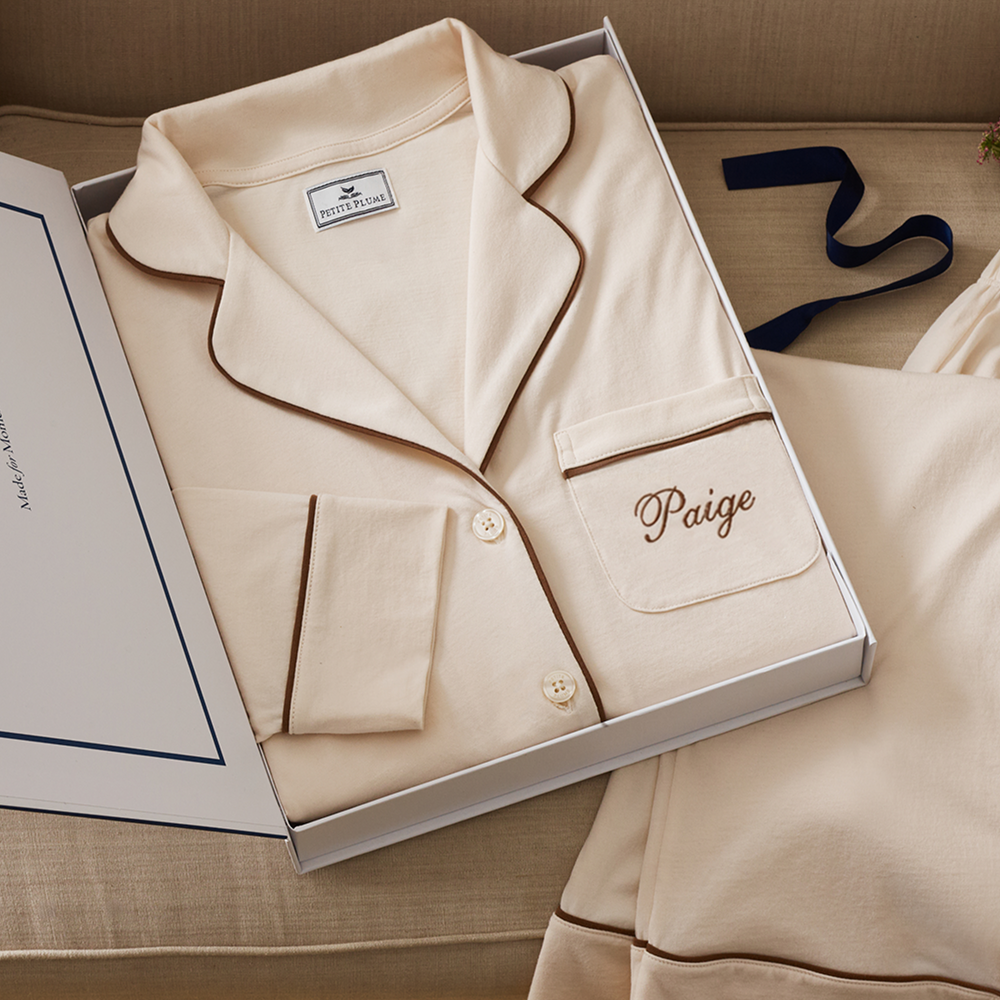
- Breathable sleepwear (Pima cotton or silk)
The Role of Sleepwear in Sleep Quality — It's More Than Aesthetics
We put a great deal of thought into what we wear during the day, from how it fits to how it feels and how it makes us carry ourselves. The average person wears their sleepwear for seven to nine hours a night. That's more time than a special dinner dress or the perfect weekend outfit. What you wear to bed deserves the same consideration.
The science here is straightforward. Your body temperature naturally drops as you fall asleep, and anything that interferes with that process — fabric that traps heat, material that irritates skin, a fit that restricts movement — can subtly but meaningfully disrupt the quality of your rest. Natural fabrics like 100% Pima cotton and mulberry silk work with your body's thermoregulation rather than against it, breathing through the night in a way that synthetics simply can't replicate.
Then there’s the ritual aspect of dressing for sleep. Changing into beautiful sleepwear is a gentle but effective signal to your nervous system that the day is finished. When your pajama wardrobe feels considered, getting into bed becomes a nightly luxury.
How to Choose Luxury Sleepwear
Here's what to look for when choosing sleepwear worth the investment:
- Fabric. Look for pajama sets made of 100% natural fibers. Peruvian Pima cotton is known for its long-staple softness and breathability. Mulberry silk offers exceptional temperature regulation and skin-smoothing properties. Avoid polyester and synthetic blends, which trap heat and degrade quickly.
- Construction. Quality sleepwear has flat seams that don't dig into skin, reinforced buttons, and beautifully even stitching. These details separate garments that hold up for years from those that don't survive a season.
- Fit. The best sleepwear moves with you. Look for an effortless but intentional fit — not so oversized as to become distracting, and not so fitted that it restricts movement.
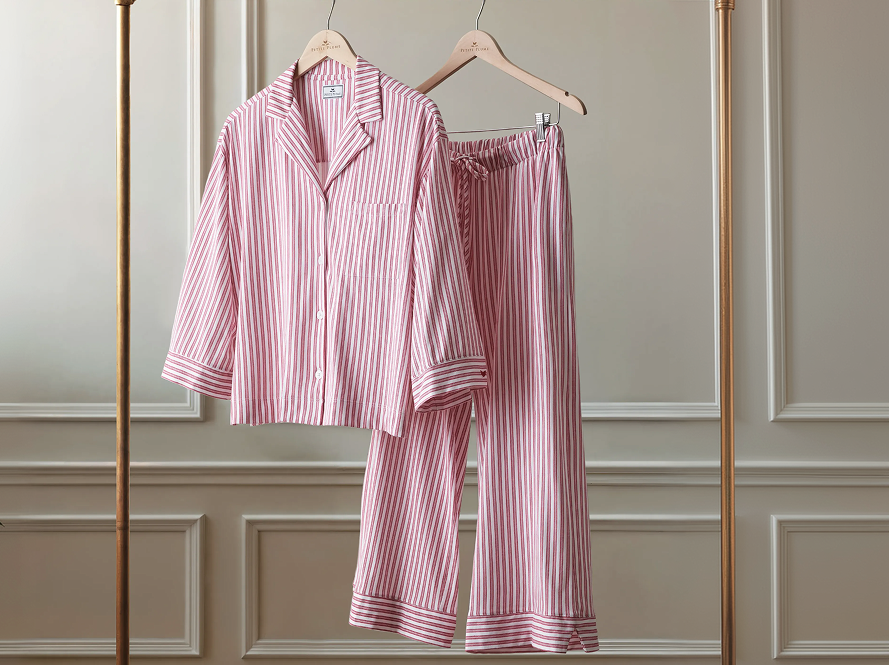
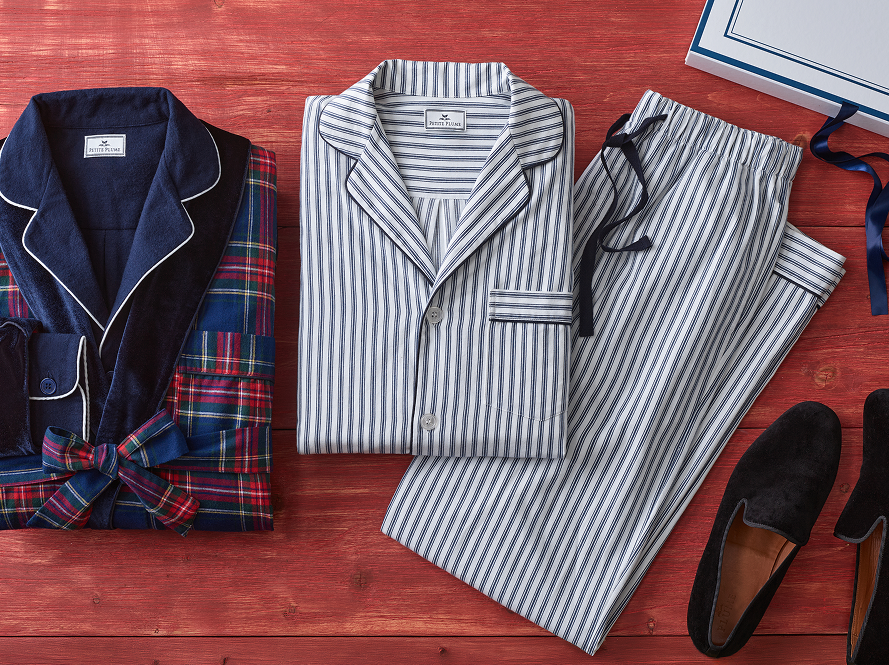
- Timeless design. Heirloom stripes, classic florals, and delicate toiles age better than more trend-driven patterns. When sleepwear is beautiful year after year, it earns its recurring spot in the rotation.
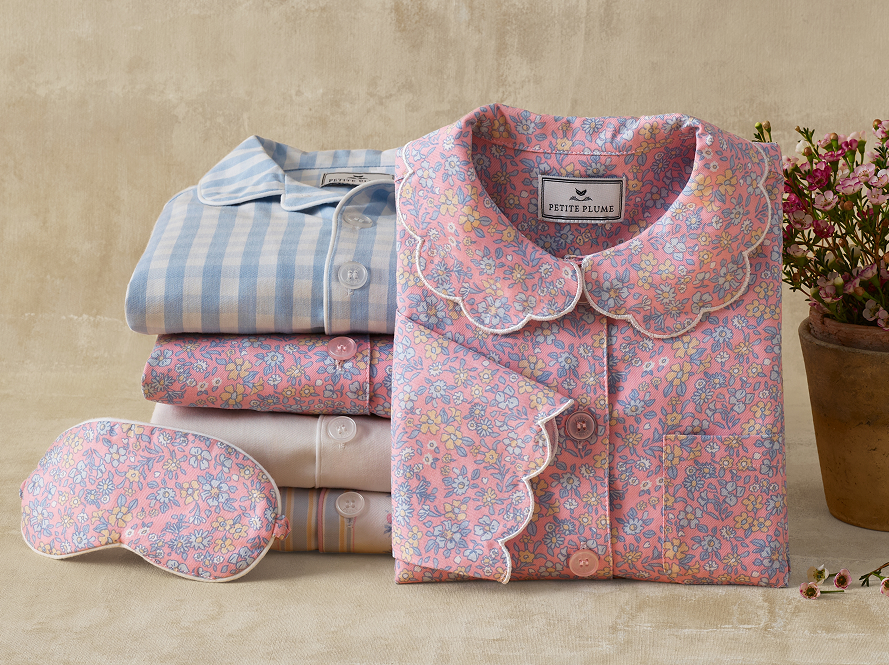
Top Picks from Petite Plume:
-
- The Olivia Lightweight Pima Short Set: 100% Pima cotton is airy, breathable, and ideal for warm sleepers.
- Women's Silk Lace Cami Short Set: Temperature-regulating mulberry silk stays comfortable, without causing friction on the skin.
- The Margaux Pima Pajama Set: With a classic fit and soft seams, this set offers year-round comfort.
Making Your Bedroom a Sanctuary
Your bedroom environment works together with your sleepwear to support the quality of your rest. Be intentional about each element.
- Temperature is immediately impactful. Sleep researchers consistently identify 60–67°F as the optimal range for sleep onset and deep sleep maintenance. Your body's core temperature needs to drop by one to two degrees to initiate sleep, and a cool room facilitates that process.
- Light signals your circadian clock more powerfully than almost any other cue. In the evening, this means transitioning away from overhead lighting and screens toward warm, dim sources. Blackout curtains or a quality sleep mask eliminate ambient light that can interrupt rest. A dark room tells your brain unambiguously that night has arrived.
- Sound is personal. Some people sleep best in complete silence with thoughtfully designed earplugs, while others find that a sound machine’s white noise or the ambient sound of a fan creates a soothing acoustic backdrop.
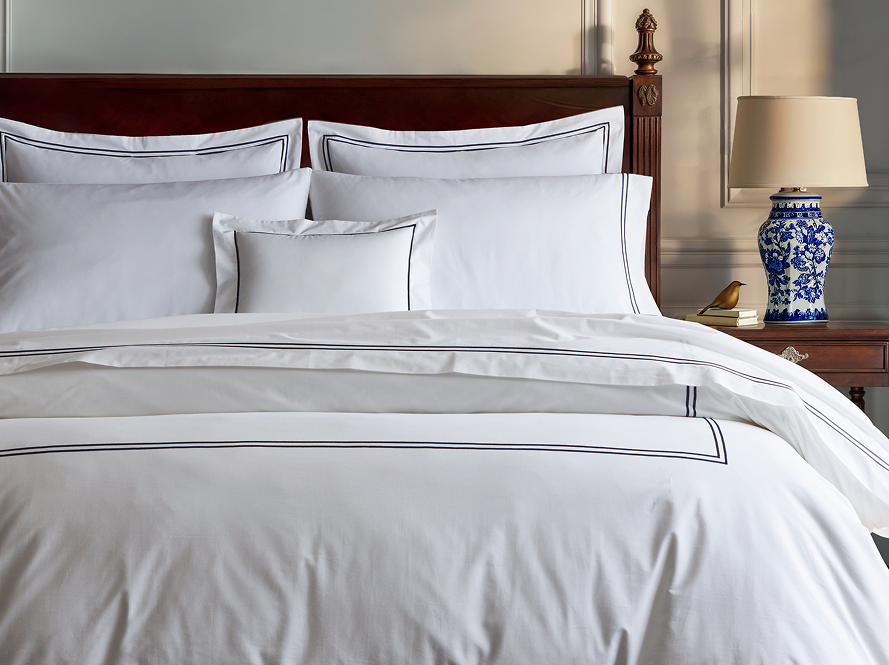
- Bedding deserves the same attention as sleepwear. Natural fiber sheets, such as percale cotton or sateen, breathe in a way that synthetic blends don't. A duvet weight appropriate to your climate and personal preferences is essential when creating your perfect bed (link to article).
When sleepwear, sheets, and temperature all work together, the conditions for deep, restorative sleep are genuinely in place.
Frequently Asked Questions
Why is sleep considered the ultimate luxury?
Because it cannot be faked, rushed, or outsourced. A truly good night's sleep compounds: Better sleep leads to clearer thinking, more regulated emotions, healthier skin, and greater energy, which makes every waking hour richer as a result. The most indulgent thing you can do for yourself is protect your sleep, night after night.
Is luxury sleepwear actually worth it?
Yes, and the reasoning goes beyond aesthetics. High-quality sleepwear made from breathable, natural fabrics such as 100% Pima cotton or mulberry silk helps regulate body temperature throughout the night, reduces skin friction, and lasts significantly longer than fast-fashion alternatives.
What are the best pajamas for night sweats?
Look for sleepwear made from 100% natural fibers, particularly Pima cotton or mulberry silk. Both are breathable and moisture-wicking in a way synthetics can't replicate, drawing heat away from the body rather than trapping it. If night sweats are a recurring concern, 100% Pima cotton is often the most practical choice: It's easy to launder, holds up beautifully, and gets softer with every wash.
Is cotton or polyester better for sleep?
Cotton, without a doubt. Natural cotton fibers are breathable and temperature-regulating, working with your body's natural cooling process rather than against it. Polyester traps heat, doesn't breathe, and degrades more quickly over time. For the best results, look for 100% Pima cotton specifically — its long-staple fibers produce a softer, more durable fabric than standard cotton.
What should I wear to bed to sleep better?
Airy, breathable pajamas in natural fabrics are ideal. The goal is to support your body's natural temperature drop at the onset of sleep, without trapping heat. A thoughtful pajama set in Pima cotton or silk is one of the simplest upgrades you can make to your sleep environment.
How do I build a luxury sleep routine?
A luxury sleep routine begins with consistency — a set bedtime and wake time — and layers in sensory rituals like lowering lights an hour before bed, taking a warm shower, enjoying a calming beverage, and changing into comfortable sleepwear. The act of dressing for bed is a powerful psychological cue that helps your nervous system move toward rest.
What temperature should my bedroom be for optimal sleep?
Sleep experts recommend a bedroom temperature between 60–67°F for optimal sleep. This supports the body's natural core temperature drop that triggers deep sleep. Pairing a cool room with breathable sleepwear completes the equation.
How often should I replace my pajamas?
With proper care — gentle machine washing, line drying or low heat — high-quality 100% cotton pajamas can last three to five years or more without losing their shape or softness. Signs it's time to replace: fabric thinning, pilling, elastic that no longer holds, or seams that have begun to fray. Quality sleepwear, cared for well, is a long relationship.
The Sleep You Deserve Starts Tonight
Sleep is not a passive act. It is, arguably, the most active investment you can make for your health, your mood, and your relationships. The shift toward an elevated sleep ritual isn't indulgence for indulgence’s sake. It's a recognition that the hours you spend at rest are worthy of care and intention.
The right sleepwear crafted from quality fabric, designed with care, and worn as part of a deliberate evening ritual sends a powerful message. It tells your body and mind that rest is something you take seriously.
Tonight, dim the lights a little earlier. Put down your phone a little sooner. And change into something beautiful before you close your eyes.