









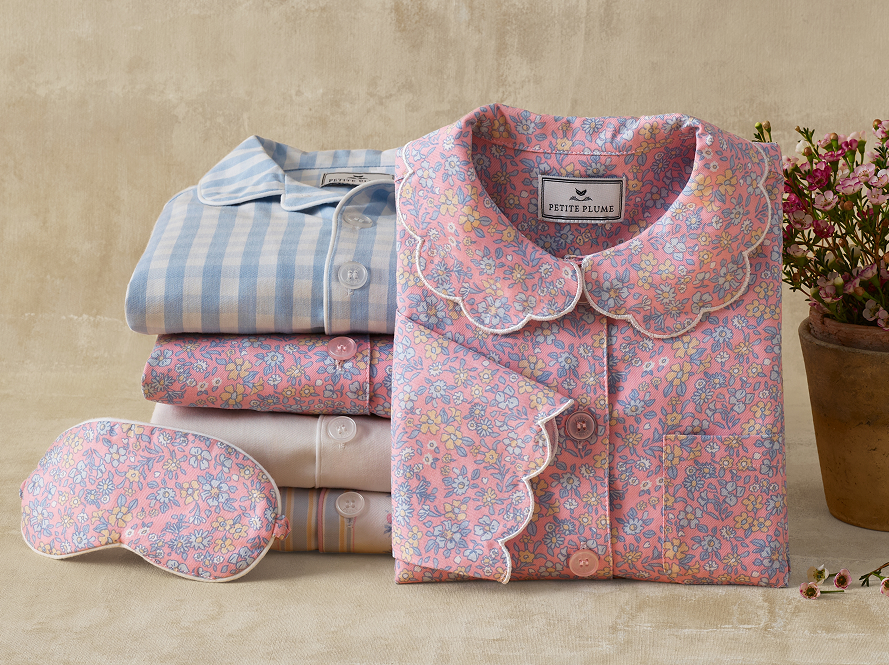
Rest Changes Everything: Expert Sleep Guidance for Babies and Parents
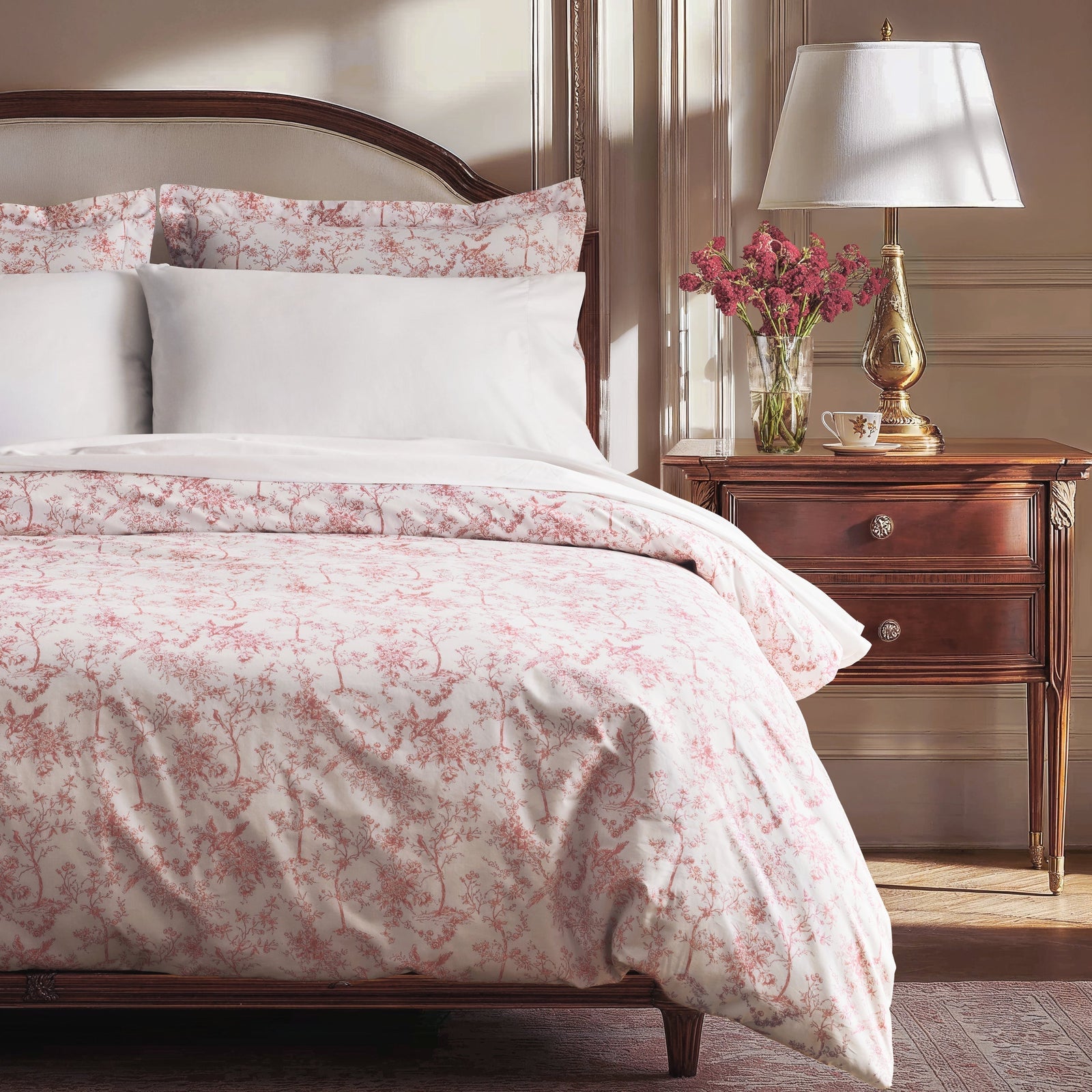

There is a particular kind of quiet that settles over a home when everyone is sleeping well. Parents move through their days with more presence and patience. Babies wake bright-eyed and calm. The whole household feels steadier, warmer, more like itself. Sleep, it turns out, is not a luxury, but rather the foundation on which everything else is built.
At Petite Plume, we have always believed that the ritual of rest deserves to be beautiful. The right environment, the right routine, the right pajamas. To help families sleep their best from the very beginning, we turned to the Pediatric Nurse Consultants at Moms on Call, trusted guides to tens of thousands of new parents, for their most essential sleep wisdom.
_____
Petite Plume partnered with the pediatric sleep experts at Moms on Call to compile evidence-based sleep guidance for babies and new parents. Key recommendations include establishing consistent daily routines, prioritizing full daytime feedings to reduce night waking, creating a dark and cool sleep environment, choosing earlier bedtimes to capture the most restorative sleep window, and keeping nighttime interactions brief and calm. For parents, protecting their own rest — without guilt — is equally essential. This guidance applies to newborns, infants, and sleep-deprived parents navigating the early months together.

Founder of Moms on Call, Jennifer Walker and Laura Hunter
Why Sleep Is the Foundation Your Family Needs
Sleep is the foundation for the long list of parenting priorities.
For babies, the most important developmental work happens during sleep. The brain consolidates new information, neural pathways deepen, and the body releases the growth hormones that drive physical development. The immune system strengthens. Emotional regulation, the capacity to move through frustration and overstimulation without unraveling, is built and rebuilt each night.
For parents, the stakes are equally high, though they often go unacknowledged. Sleep deprivation erodes patience, disrupts the hormonal systems that regulate mood and energy, and quietly chips away at the mental clarity needed to make confident decisions. Chronic exhaustion makes it harder to feel present with the people you love most.
The pediatric nurse consultants at Moms on Call have guided tens of thousands of families through early parenthood, and their perspective is consistent: when the whole family sleeps better, everything gets better. Rest changes everything, and it begins with treating sleep as the priority it has always deserved to be.
Build a Rhythm Your Baby Can Rely On
Babies arrive into the world with no internal map for what comes next. What every young nervous system needs is a rhythm it can begin to recognize and trust.
When feedings happen at reliable intervals, wake windows are timed appropriately for your baby's age, and bedtime follows the same gentle sequence each evening, something important happens: the body learns to anticipate rest. The nervous system receives a clear signal that says: you are safe, this is familiar, it is time to settle.
The Moms on Call approach treats routine as a form of reassurance. Consistent morning wake times anchor the day. A calming bedtime sequence — the same steps, in the same order, night after night — becomes a cue as reliable as any lullaby. Many families notice their babies becoming calmer and more easily settled within days of establishing a consistent rhythm. The routine also gives parents something to hold onto.
Callout: "Babies feel secure when their day follows a steady rhythm." — Moms on Call pediatric nurse consultants
Dressing your baby for sleep is part of the ritual. Explore Petite Plume's collection of heirloom-quality baby sleepwear.
Feed Well During the Day to Sleep Better at Night
One of the most effective strategies for improving nighttime sleep has nothing to do with bedtime. It happens in the daylight hours, during feedings that are full, focused, and consistent.
When babies receive complete, satisfying feedings throughout the day, their nutritional needs are met before evening arrives. The result, over time, is a natural reduction in nighttime waking driven by hunger. This is not an overnight shift, and nighttime waking in the early months is entirely developmentally normal. However, as daytime intake becomes more consistent, longer stretches of uninterrupted sleep follow.
The experts at Moms on Call commonly cite this connection because it reframes what is happening when babies wake frequently at night. Sometimes, it’s a developmental phase. Other times, it’s a signal that daytime feedings could be fuller or more frequent. Addressing the root issue is almost always the more effective path forward.
Create a Soothing Sleep Environment
The environment in which we sleep sends powerful signals to the brain that either support the transition into deep, restorative rest or quietly work against it. For babies and parents alike, getting these conditions right is one of the simplest and most impactful investments a family can make.
Darkness is essential. Light suppresses melatonin, and even low levels of ambient light can disrupt sleep quality. Blackout curtains that eliminate light completely are worth the investment.
White noise creates a consistent auditory environment that masks household sounds and mimics the sensory conditions of the womb, which is deeply soothing for young infants and surprisingly effective for adults.
Temperature completes the picture. Slightly cool rooms between 68 and 72 degrees Fahrenheit support the natural drop in core body temperature that signals the onset of sleep. Breathable, age-appropriate sleepwear helps the body regulate naturally through the night.
These principles apply to the parents' bedroom, too. A calm, dark, uncluttered sleep space is a signal to your own brain that the day is finished.
Callout: The ideal sleep environment: blackout curtains, consistent white noise, and room temperature between 68–72°F. For baby and parents both.
Softness matters at the foundation. Petite Plume crib sheets are designed to comfort babies, just like our most beloved pajamas.
The Case for an Earlier Bedtime
It feels counterintuitive: a tired baby should be easier to put down. In practice, the opposite is true. An overtired baby is flooded with cortisol, the body's primary wakefulness hormone, making them harder to settle and more prone to night waking. The same physiological reality applies to exhausted parents.
Sleep science is consistent here: The most restorative sleep happens in the earlier hours of the night, when slow-wave sleep is richest. Staying up later replaces the most valuable portion of sleep with lighter, less restorative rest.
Moving a baby's bedtime earlier, even by 30 minutes, can noticeably reduce overnight waking and improve morning temperament. For parents, choosing sleep over the late-night second wind can meaningfully change the quality of the following day. The goal is alignment with the body's natural rhythms and recognizing that the hours before midnight are worth protecting.
Callout: "The most restorative sleep happens earlier in the night. Even 30 minutes can change how your whole day feels." — Moms on Call
Your Wind-Down Ritual Matters, Too
The brain does not switch off on command. It needs a transitional period between the stimulation of the day and the stillness of sleep. When that bridge is filled with screens, unanswered emails, and late-night task completion, the nervous system stays alert long after the lights go out.
Building a consistent wind-down ritual, even a brief one, makes a measurable difference. Dimming the lights signals to the brain that night is arriving. A warm shower allows core body temperature to rise and fall, mimicking the physiological descent into sleep. Light reading or quiet conversation gives the nervous system permission to decelerate.
The act of dressing for sleep is part of this transition too — a small but meaningful ritual that tells the body the day is done. Softness matters. Comfort matters. Every sensory signal you can offer in those final minutes works in your favor.
For new mothers, comfort and style aren’t mutually exclusive. Explore Petite Plume maternity sleepwear, designed for the fourth trimester and beyond.
How to Handle Nighttime Wake-Ups With Calm Intention
No matter how carefully a routine is built, there will be nights when the baby wakes. What matters most is how you respond.
The quality of a nighttime interaction shapes what comes next. A parent who moves quietly, keeps the lights low, and speaks softly is communicating something essential without words: it’s still nighttime, you’re safe, and it’s time to rest. A baby settled back to sleep in a calm, dark environment is far more likely to return to rest than one whose wake-up has become an inadvertently stimulating experience.
The Moms on Call approach is simple: Meet the need, then return to sleep. Feed if the baby is hungry. Offer comfort if they need it. Handle a diaper change efficiently and without fanfare. Then return to your own rest as quickly and calmly as possible. The goal at 2am is restoration, for everyone in the house.
Callout: The three rules of nighttime: Keep it dark. Keep it quiet. Keep it brief.
Rest Without Guilt — Protecting Your Own Sleep Is Protecting Your Family
There is a particular brand of guilt reserved for parental rest. For napping when the baby naps. For going to bed early. For asking for help so that you can sleep through the night. In the cultural story of new parenthood, exhaustion can feel like proof of devotion, as if being depleted is simply the price of love.
It is not. The pediatric nurse consultants at Moms on Call are clear: Protecting your sleep is not selfish. It is one of the most effective parenting tools available to you.
A rested parent responds with more steadiness, more patience, more access to the calm presence that babies genuinely need. Emotional regulation in children is absorbed from the caregivers around them. When you are rested, your nervous system is regulated. And a regulated nervous system is contagious in the best possible way.
Caring for your own rest is, in the deepest sense, caring for your family.
Frequently Asked Questions
How many hours of sleep does a newborn need?
Newborns typically sleep 14–17 hours in a 24-hour period, though this is distributed across multiple sleep cycles rather than consolidated overnight rest. Building consistent routines in the early weeks helps the body begin organizing sleep patterns over time.
When do babies start sleeping through the night?
Every baby is different, but many begin to consolidate nighttime sleep between 3–6 months, particularly when they are feeding well during the day and following a predictable routine. Guidance from pediatric sleep consultants like Moms on Call can help parents navigate this transition with confidence.
What is the safest sleep environment for a baby?
Safe sleep guidelines from the American Academy of Pediatrics recommend placing babies on their back on a firm, flat surface with no loose bedding, pillows, or soft objects. A dark room with white noise and a cool, consistent temperature further supports restful, safe sleep.
How do I establish a bedtime routine for my baby?
Start with 3–4 consistent steps completed in the same order each evening, such as a warm bath, a feeding, a lullaby, and placement in the crib awake but drowsy. Repetition over time trains the nervous system to anticipate sleep.
What should I do when my baby wakes up at night?
Keep interactions minimal and calm. Lights low, voice soft. Meet the need — feeding, comfort, a diaper change if necessary — and return your baby to their sleep space. Avoiding stimulating signals that nighttime is playtime.
How can I improve my own sleep as a new parent?
Prioritize a wind-down ritual before bed, even a brief one. Limit screen use in the final hour, step away from tasks, and create a dark, cool sleep environment for yourself. Protecting your rest allows you to show up for your family.
Does what my baby wears to sleep affect their sleep quality?
Comfort matters deeply in the sleep environment. Soft, breathable fabrics without irritating seams or restrictive fits help babies (and parents) stay comfortable throughout the night. Petite Plume sleepwear is designed to offer heirloom quality that feels as good as it looks.
Summary
Sleep is where babies grow, where parents recover, and where families quietly become more of themselves. The guidance from Moms on Call reminds us that good sleep is less about perfection and more about intention: a steady rhythm, a nourishing day, a calm environment, and a willingness to protect rest as the priority it truly is.
At Petite Plume, we believe that the details of the sleep ritual matter, from the softness of the sheets against a baby's skin to the pajamas a mother slips into at the end of a long day. Rest changes everything. And it begins tonight.
Explore Petite Plume's full collection of baby sleepwear, crib sheets, and maternity pajamas, designed for the families who know that beautiful rest is essential.