


The Best Pajamas for Sensitive Skin: Why Fabric Matters So Much
If you have sensitive skin or eczema, what you sleep in matters more than you may realize. For many people searching for pajamas for eczema, the solution begins not with treatments but with choosing breathable, skin-supportive fabrics that help minimize irritation throughout the night.
The best pajamas for sensitive skin are made from breathable, natural fabrics that minimize friction, regulate temperature, and help reduce overnight irritation. Because sleepwear remains in contact with your skin for hours at a time, fabric choice can directly influence comfort, moisture balance, and how calm your skin feels by morning.
Heat buildup, trapped perspiration, and rough synthetic materials can quietly disrupt the skin barrier overnight. In contrast, soft natural fibers like cotton and silk allow airflow while offering a smoother surface against delicate skin. Silk is also naturally hypoallergenic, meaning it resists common irritants such as dust mites and mold, making it a preferred material for highly reactive or allergy-prone skin. Choosing thoughtfully constructed pajamas made from high-quality materials is not simply a luxury — it is a practical step toward creating a more restorative sleep environment.
When fabric works with your skin rather than against it, bedtime becomes less about managing discomfort and more about true rest.
The Best Pajamas for Sensitive Skin, Explained
The best pajamas for sensitive skin are made from breathable natural fabrics that minimize friction, regulate temperature, and feel soft against the body during sleep. Dermatologists and textile experts commonly recommend cotton and silk because these fibers allow airflow while helping reduce overheating and irritation overnight. These materials are frequently recommended as the best fabric for eczema because they balance softness, airflow, and temperature regulation.
When choosing pajamas for sensitive skin, prioritize:
- Natural fibers, like in thoughtfully crafted cotton sleepwear
- Smooth, lightweight fabrics that reduce rubbing
- Breathable construction that prevents heat buildup
- Relaxed silhouettes that allow movement and airflow
- High-quality materials made without harsh chemical treatments
Sleepwear that feels gentle supports a more restorative sleep environment, allowing skin to rest alongside the body.
At a Glance: Choosing Pajamas for Sensitive Skin
Choose natural, breathable fabrics
Dermatologists commonly recommend natural fibers such as 100% cotton — particularly long-staple varieties like Pima cotton — and silk for sensitive skin. These materials are valued for their softness, breathability, and ability to help regulate temperature throughout the night. For individuals comparing breathable sleepwear options, these fabrics are often considered ideal breathable pajamas for women seeking comfort without overheating.
Think of sleepwear as part of your skincare routine
Pajamas and bedding remain in contact with skin for hours at a time. Soft, supple fabrics help minimize friction and irritation, supporting a more relaxing sleep environment for your entire body.
Prioritize softness and quality construction
Well-made fabrics with a smooth finish reduce rubbing and pulling against the skin. Look for breathable weaves, thoughtfully finished seams, and minimal unnecessary embellishments. Fabrics produced without harsh chemical treatments or aggressive dyes are often better tolerated by sensitive skin.
Wash pajamas regularly
Freshly laundering your sleepwear helps remove sweat, oils, and everyday irritants that can accumulate in fabric. Gentle detergents and consistent washing routines help maintain comfort while preserving fabric longevity.
Why Fabric Choice Matters for Sensitive Skin
Day and night, people with sensitivities must be especially thoughtful about what touches their skin. Environmental stressors encountered throughout the day can leave the skin feeling reactive, while overnight factors — including heat buildup, trapped moisture, and fabric friction — can become hidden sources of discomfort.
Nighttime is an especially important period for the skin barrier, the protective outer layer responsible for maintaining hydration and defending against external irritants. During sleep, the skin enters a natural phase of restoration as it works to rebalance moisture and recover from daily exposure.
For individuals with sensitive skin, this restorative window is particularly significant. Soothing, gentle sleepwear helps create a calming environment, allowing skin to rest without unnecessary irritation caused by rough textures or overheating fabrics.
Who Benefits Most from Sensitive Skin Pajamas?
While anyone can appreciate soft, breathable sleepwear, certain individuals may notice a particularly meaningful difference when choosing pajamas designed with sensitive skin in mind. Thoughtfully selected fabrics help minimize irritation, regulate temperature, and create a calmer overnight environment for skin recovery.
Adults with Eczema or Psoriasis
For adults managing chronic skin conditions such as eczema or psoriasis, fabric choice can influence nightly comfort. Rough textures and heat buildup may aggravate already compromised skin barriers, while breathable natural fibers help reduce friction and overheating. Many dermatologists recommend lightweight cotton or silk pajamas for eczema, as these materials are often considered among the best fabrics for eczema due to their softness and airflow.
Children with Reactive Skin
Children frequently experience heightened skin sensitivity, whether from dryness, allergies, or environmental triggers. Because their skin barrier is still developing, gentle materials become especially important at night. Soft, breathable cotton styles designed as kids pajamas for sensitive skin help reduce overheating and irritation while supporting more restful sleep routines. Hypoallergenic fabrics can further minimize exposure to common irritants.
Hot Sleepers
Individuals who naturally sleep warm may experience increased perspiration overnight, which can lead to discomfort or skin reactivity. Breathable natural fibers allow heat and moisture to dissipate more efficiently than synthetic materials. Lightweight cotton and silk are often preferred as breathable pajamas for women and men alike, helping maintain a balanced sleep temperature throughout the night.
Those Using Retinoids or Active Skincare
Retinoids and other active skincare ingredients can temporarily increase skin sensitivity, dryness, and irritation. During these periods, minimizing friction becomes especially important. Smooth, lightweight fabrics — particularly silk, which is naturally hypoallergenic — help reduce rubbing against delicate skin while supporting comfort during overnight skin renewal.
Postpartum Skin Sensitivity
Hormonal shifts during the postpartum period can leave skin feeling unexpectedly reactive or sensitive. Breathable, soft sleepwear helps regulate body temperature while providing gentle comfort during recovery and adjustment. Natural fibers that feel light against the skin can make nighttime routines feel more restorative during an already demanding stage of life.
What Fabrics Are Best for Sensitive Skin?
The best fabrics for sensitive skin are typically natural fibers such as cotton, silk, linen, and fine Merino wool. Unlike many synthetic materials, these fibers are breathable and soft to the touch, helping reduce friction and allowing heat and moisture to dissipate more effectively.
Because eczema flare-ups are often triggered by heat and irritation, dermatologists frequently point to these natural fibers as the best fabric for eczema in everyday sleepwear.
Dermatologists often suggest choosing fabrics made without heavy chemical processing or harsh dyes, as these treatments may contribute to irritation for some people. Among natural materials, cotton and silk remain the most widely recommended for sleepwear due to their balance of softness, breathability, and year-round appeal.
Cotton Pajamas for Sensitive Skin
Cotton is widely considered one of the most suitable fabrics for sensitive skin. Its weave structure allows air circulation while gently absorbing moisture, helping prevent the overheating that can contribute to nighttime irritation.
Long-staple cotton varieties, used in Pima cotton pajamas, are especially prized because their longer fibers create a smoother yarn. The result is a softer fabric surface that glides more effortlessly against the skin, promoting all-night comfort.
For both adults and children, cotton pajamas offer dependable softness and versatility across seasons, making them a trusted option for kids' pajamas for sensitive skin as well as comfortable, breathable sleepwear for adults managing eczema or skin sensitivity.
Silk Pajamas and Skin Comfort
Silk is known for its exceptionally smooth surface, allowing fabric to move easily against the skin. This gentle feel can be particularly soothing for those prone to sensitivity or dryness. Silk’s naturally hypoallergenic properties further support sensitive or eczema-prone skin by reducing exposure to common environmental irritants during sleep.
With their naturally lightweight and temperature regulating fabric, silk pajamas are relaxing in both warm and cool environments. Silk’s refined feel also lends itself beautifully to sleepwear designed as a nightly ritual rather than simply a practical necessity.
Fabrics to Avoid if You Have Sensitive Skin
While individual sensitivities vary, certain materials are more likely to cause discomfort:
- Rough synthetic fabrics that trap heat
- Heavy blends that reduce air flow
- Stiff or heavily textured materials
- Garments with thick seams or scratchy finishes
Sleepwear that feels overly warm, rigid, or abrasive can increase friction and perspiration, both of which may aggravate already sensitive skin.
Choosing Pajamas for Children with Sensitive Skin
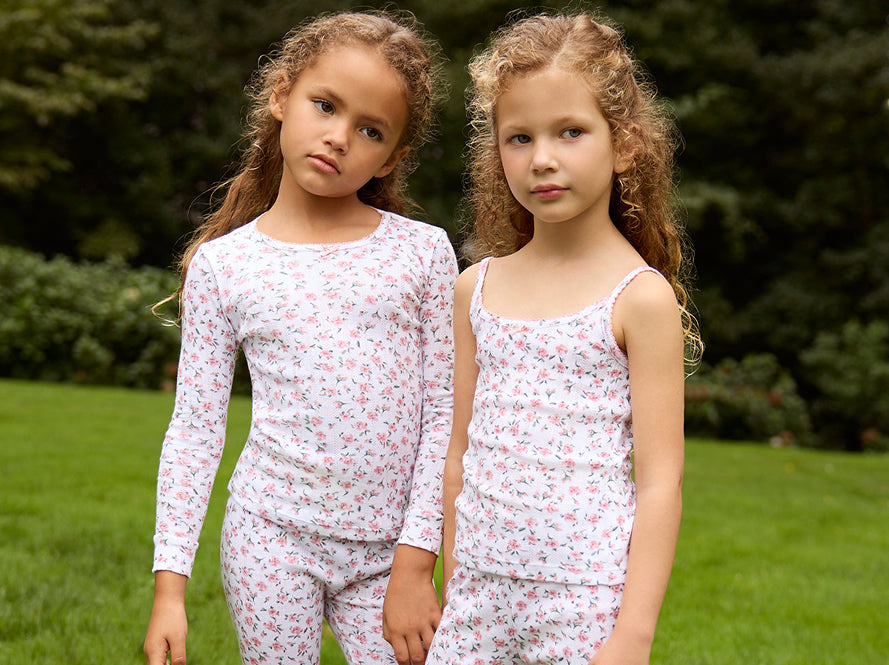
Children’s skin is often thinner and more delicate than adult skin, which means softness plays an even greater role in sleep quality. Supple, breathable fabrics help prevent overheating while allowing freedom of movement throughout the night.
For children prone to irritation, kids' pajamas for sensitive skin should prioritize lightweight cotton, smooth seams, and gentle construction. Parents often seek out breathable, hypoallergenic fabrics when choosing kids' pajamas for sensitive skin, since children are especially prone to overheating during sleep. Hypoallergenic materials, meaning fabrics less likely to trigger irritation, can help create a calmer sleep environment for children experiencing dryness or sensitivity.
Soft sleepwear not only supports skin comfort but also helps establish soothing bedtime routines, encouraging deeper and more restorative sleep.
Best Pajamas for Eczema-Prone Skin
For individuals managing eczema, fabric choice becomes especially important. While pajamas cannot treat eczema, the best fabric for eczema helps reduce common triggers such as overheating, friction, and trapped moisture.
When searching specifically for pajamas for eczema, experts generally recommend lightweight natural fibers that allow skin to remain cool and dry throughout the night.
Dermatologists frequently recommend pajamas for eczema made from breathable, hypoallergenic natural fibers that allow the skin to regulate temperature overnight.
Key features to look for include:
- Ultra-soft natural fibers like Pima cotton or silk
- Breathable weaves that prevent heat buildup
- Lightweight fabrics that wick moisture gently
- Loose silhouettes that minimize rubbing against inflamed areas
- Materials produced without harsh chemical finishes
Cotton is often considered the most practical everyday option for eczema-prone skin because it balances softness with breathability. Silk can also be beneficial due to its smooth surface, which reduces friction on sensitive patches.
Ultimately, eczema-friendly sleepwear supports what skin needs most at night: a cool, calm, and irritation-free environment that allows natural recovery during sleep.
How Often Should You Wash Pajamas for Sensitive Skin?
Regular washing is an important but often overlooked part of caring for sensitive skin. Throughout the night, fabrics absorb perspiration, body oils, and environmental particles that can accumulate over time.
Most dermatology experts suggest washing pajamas after several wears or more frequently during warmer months or periods of increased skin sensitivity.
Fabric care tips for luxury sleepwear:
- Use gentle, fragrance-free detergents when possible
- Avoid heavy fabric softeners that may leave residue
- Wash in mild cycles that preserve fabric softness
Clean, well-cared-for sleepwear helps maintain a fresh environment against the skin while extending the life of high-quality garments.
Frequently Asked Questions About Pajamas for Sensitive Skin
What fabric is best for sensitive skin?
Natural fabrics such as cotton and silk are often preferred because they feel soft against the skin and allow airflow, helping support relaxation overnight.
Are polyester pajamas bad for sensitive skin?
Synthetic fabrics like polyester can trap heat and moisture, which may increase irritation for some individuals. Those with sensitive or eczema-prone skin often find breathable natural fibers more comfortable.
Is organic cotton better for sensitive skin?
Organic cotton may be beneficial for some people because it is typically produced with fewer chemical treatments. However, softness, breathability, and fabric quality matter just as much as certification alone.
Are cotton pajamas good for eczema?
Many people with eczema find cotton pajamas soothing because the fabric is especially gentle. While sleepwear does not treat eczema, choosing soft, non-irritating fabrics can help support a more restorative sleep environment.
Are silk pajamas hypoallergenic?
Yes. Silk is naturally hypoallergenic and resistant to dust mites, mold, and certain allergens. Its smooth fiber structure also reduces friction against the skin, which can make silk pajamas especially comfortable for individuals with sensitive or eczema-prone skin.
Should pajamas be tight or loose for sensitive skin?
Looser silhouettes are generally more comfortable, as they reduce friction and allow air circulation. Relaxed fits help minimize rubbing against skin during sleep.
How often should you wash pajamas?
Pajamas should typically be washed after several wears, or sooner if sweating occurs. Regular washing helps remove oils, allergens, and buildup that may contribute to irritation.
The Connection Between Better Sleep and Skin Comfort
Restful sleep begins with small, thoughtful choices. When fabrics feel soft, breathable, and calming against the skin, the body is better able to relax into uninterrupted rest.
Sleepwear becomes part of a nightly ritual to transition from the pace of the day into quiet restoration. Carefully chosen natural fabrics help create a sense of ease that supports both sleep quality and overall well-being.
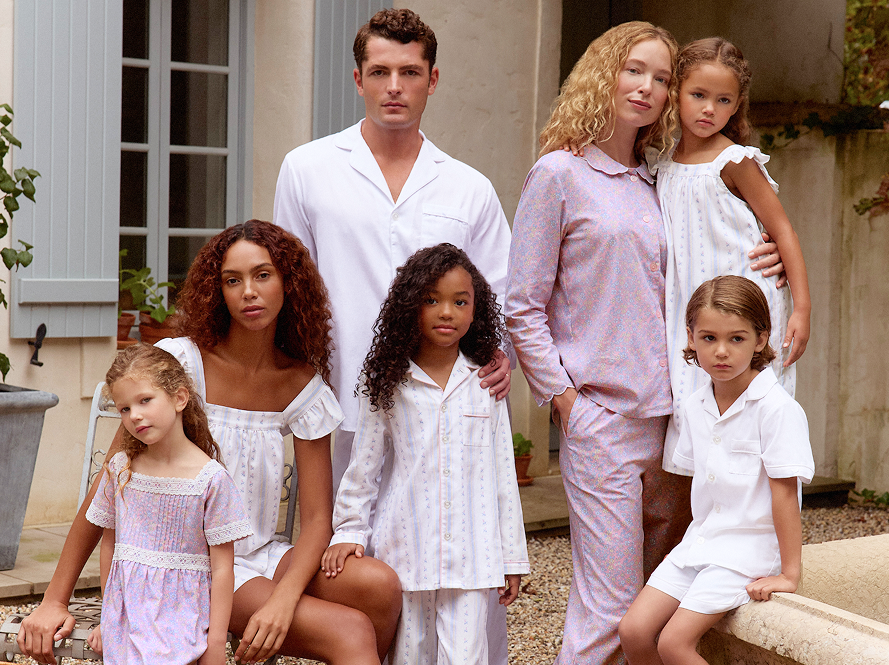
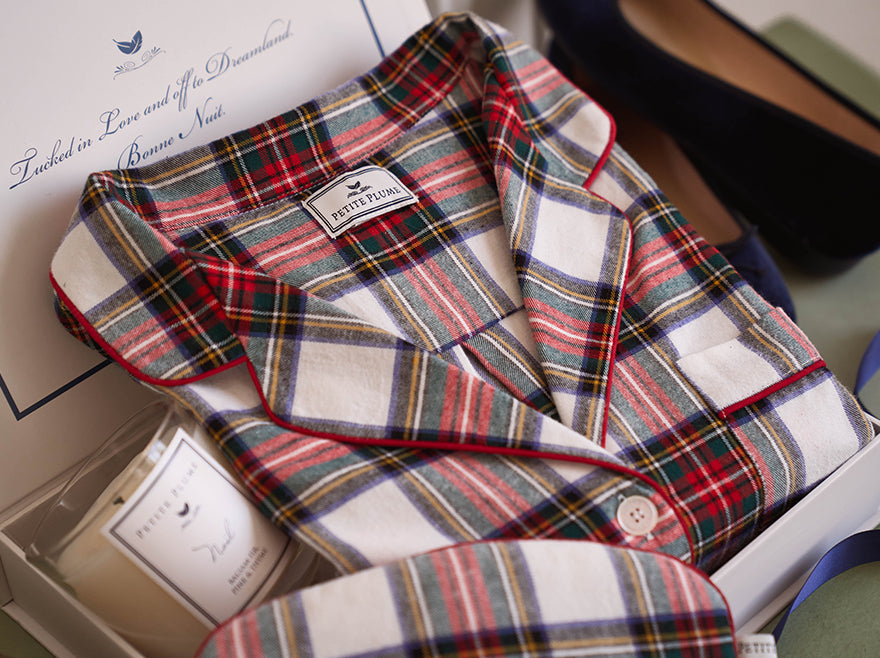
At Petite Plume, this philosophy is reflected in heirloom-quality pajamas designed with timeless materials, refined construction, and enduring softness — pieces created to be worn, loved, and returned to night after night.
Top Pajama Picks for Sensitive Skin
For those seeking elevated sleepwear that balances comfort with craftsmanship, certain silhouettes naturally lend themselves to sensitive skin needs. Rather than focusing on trends, timeless materials and thoughtful construction remain the defining factors.
- Silk styles, such as the Panthère de Nuit Set, offer an exceptionally smooth surface that glides gently against skin, making an elegant option for evenings when comfort feels especially important.
- Classic cotton designs, including The Olivia Wide Leg Pima Set and classic Pima Pajama Set, highlight the enduring appeal of long-staple cotton. Their breathable construction makes them ideal as everyday breathable pajamas for women, supporting temperature regulation throughout the night.
- Lightweight cotton variations, like The Olivia Wide Leg Lightweight Pima Set, provide an airy feel particularly well suited to warmer seasons or individuals who tend to overheat during sleep.
Across each style, the emphasis remains consistent: soft natural fibers, relaxed silhouettes, and refined finishes that prioritize comfort without sacrificing beauty. The result is sleepwear that feels intentionally designed for sensitive skin rather than medically styled, and understated luxury meant to be lived in.
Summary
The best pajamas for sensitive skin prioritize breathable natural fabrics, thoughtful construction, and lasting softness. Cotton and silk remain trusted choices for their gentle feel and temperature-regulating tendencies, while careful laundering and relaxed silhouettes further support overnight ease. When sleepwear is chosen with intention, it becomes more than clothing — it becomes an essential part of caring for comfort, rest, and everyday well-being.