




The Origin of Toile de Jouy: Heritage Prints and How to Style Them
Ever paused at a print and wondered where it came from? Toile de Jouy is a design with an especially rich history. It’s one of the classic French prints, featuring a small scene repeated across the fabric in a single color. This is the story of where it began, plus how to wear and style it today.
What Is Toile de Jouy?
Toile de Jouy is a classic French print that shows the same detailed scene repeated across the fabric, printed in one color on a pale background. The scenes often picture couples, gardens, or moments from country life. The name means "cloth from Jouy," and it is pronounced "twahl duh zhwee."
Petite Plume knows this print well, with a heritage print called Timeless Toile being a favorite year after year.
What the Name Means
"Toile de Jouy" translates to "cloth from Jouy." It is named for Jouy-en-Josas, a French town near Paris where a famous printing factory once stood.You will often hear the print called simply "toile." That’s the short form, and it means the same thing.
What a Toile Print Looks Like
A toile print reads like a small storybook drawn onto cloth. One detailed scene repeats again and again, usually in a single color such as blue, red, or black, set against a white or cream background.
Look closely and you’ll find familiar motifs. Couples resting under trees, tidy gardens, animals, and gentle scenes of country life all often appear on a true toile.
The Origin of Toile de Jouy
There’s a long history behind toile de Jouy, which became popular in eighteenth-century France, in the years when printed cotton was new.
Much of its fame traces to one factory. Christophe-Philippe Oberkampf opened his printing works at Jouy-en-Josas, near Paris and Versailles, and the print carried the town's name from there.
A French Print With a Story
Oberkampf founded a celebrated printing factory close to the French court. His toiles became a favorite of fashionable French society and are often linked to Marie Antoinette. The taste of the time idealized pretty country scenes.
The scenes themselves told stories. A single length of cloth might show a whole day in the countryside, which is part of why toile still feels warm rather than repetitive.
Because the print carried the town's name, its heritage remained tied to that place. A print with roots this deep is always in style, offering something fora family to return to across the years.
How the Prints Were Made
The earliest toiles were printed with carved wood blocks, pressed onto the cloth one section at a time. Later, printers used copperplate printing, a method that used engraved metal plates to capture much finer lines and larger repeating scenes.
That finer detail is what gave toile its storytelling look. A designer named Jean-Baptiste Huet is closely tied to the classic pastoral style, the calm country scenes most people picture when they think of toile.
Why Toile de Jouy Still Feels Modern
Toile has never been stuck in the past. Designers keep finding new ways to reimagine it, so the print feels current instead of outdated.
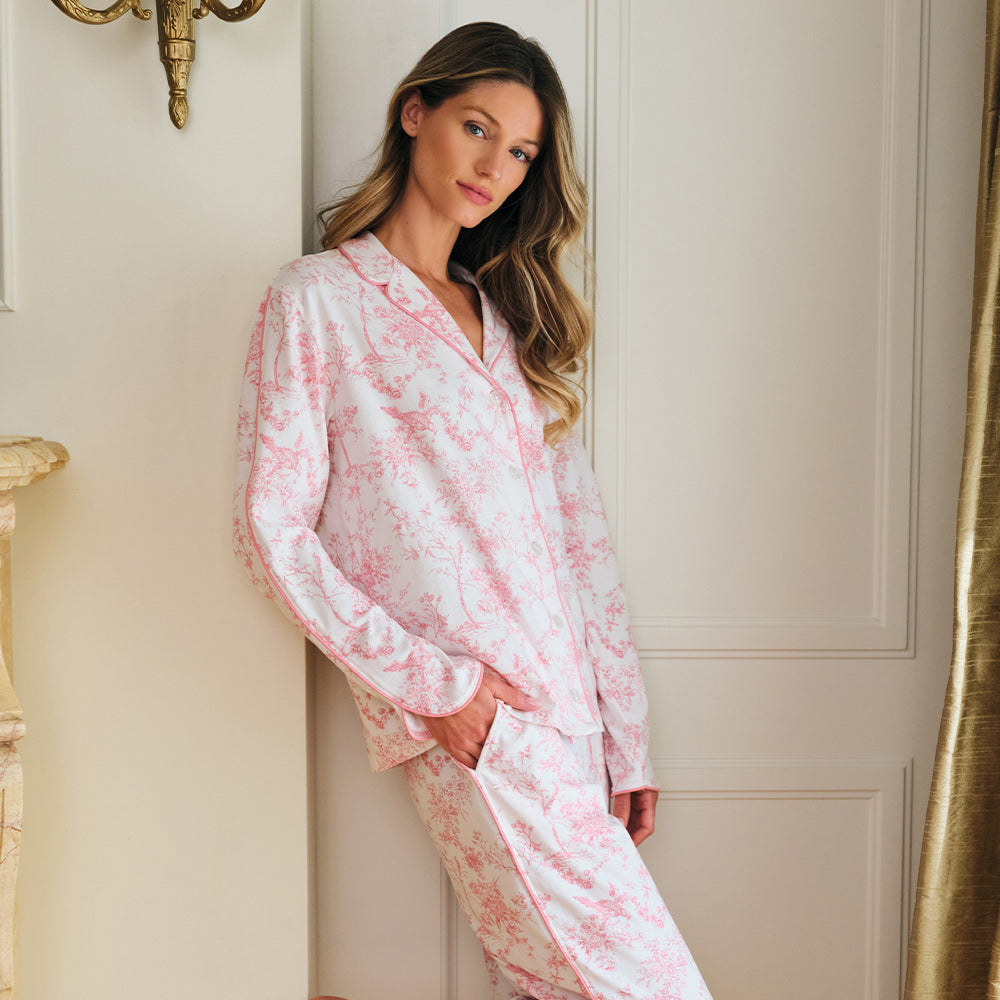
The old pastoral scenes are only the beginning now. Toile appears in fresh colors and new subjects, and it turns up in both fashion and interiors, reading as classic rather than trendy. Toile looks equally at ease on a wall, onwell-designed furniture, or on a soft pajama set, ready for slow mornings at home.
How to Style Toile de Jouy
Although the scenes depicted on toile are specific, the print is timeless and versatile. It works around the home and on clothing, and a few simple habits keep it fresh and current.
The trick is restraint: Let the toile lead, and keep everything around it understated.
Styling Toile in the Home
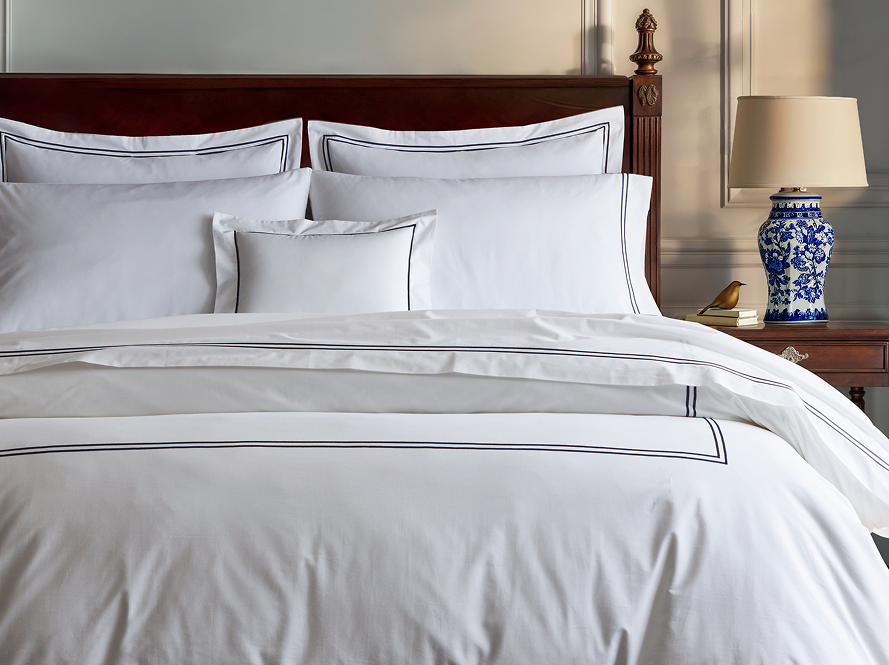
For rooms you want to feel classic, toile is a gentle place to start. You can begin small with a pillow or a lampshade, or go bolder and bring it onto the walls of a bedroom, where Timeless Toile bedding settles in beautifully.
Pairings like these keep a toile room from feeling busy:
-
Stick to one color family: Choose a single toile color, such as blue or red, and echo it in the rest of the room for a calm, pulled-together look.
-
Pair with simple patterns: Stripes, ginghams, and small checks sit well beside toile without competing.
-
Balance with plain surfaces: Let solid linens, walls, or upholstery rest the eye between more lively scenes.
-
Start small if unsure: A single cushion or a lampshade lets you test the print before you commit to more.
Wearing Toile de Jouy
For those who love the print, toile moves beautifully on clothing, especially sleepwear and at-home pieces where its calm scenes feel right at home.
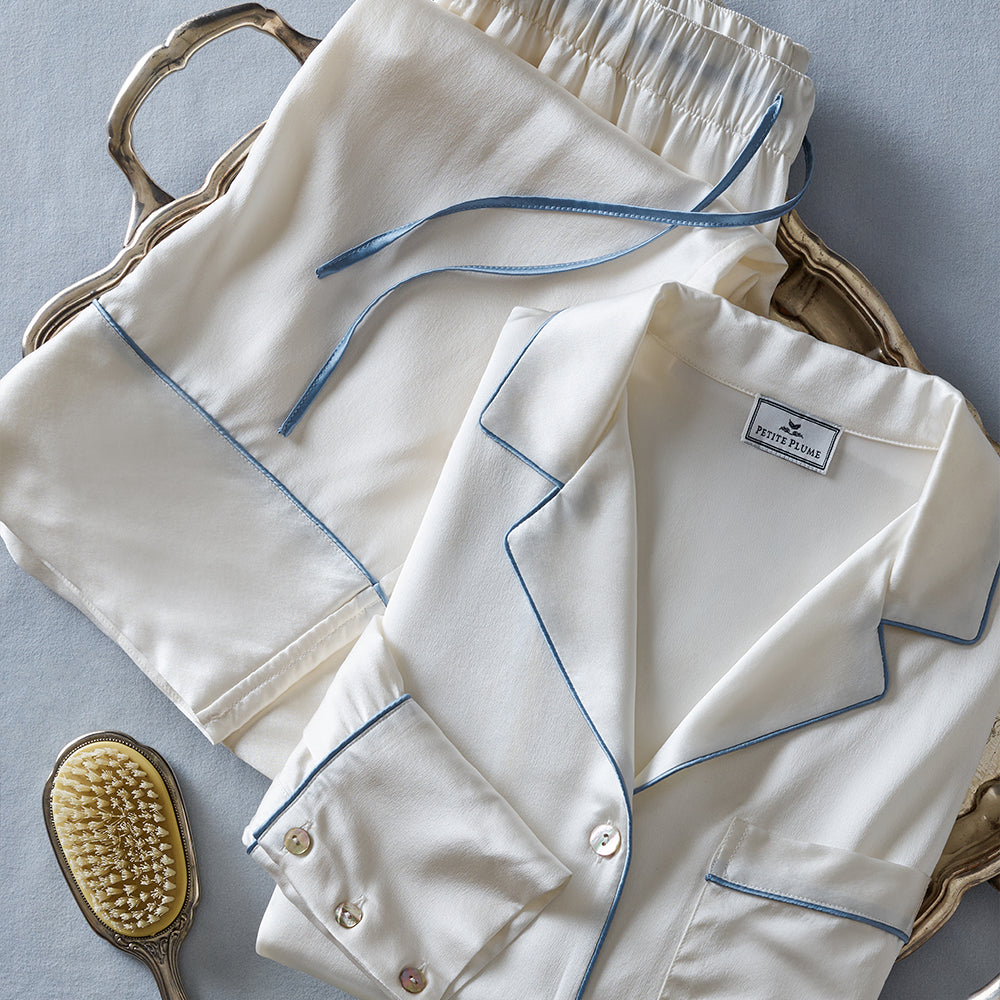
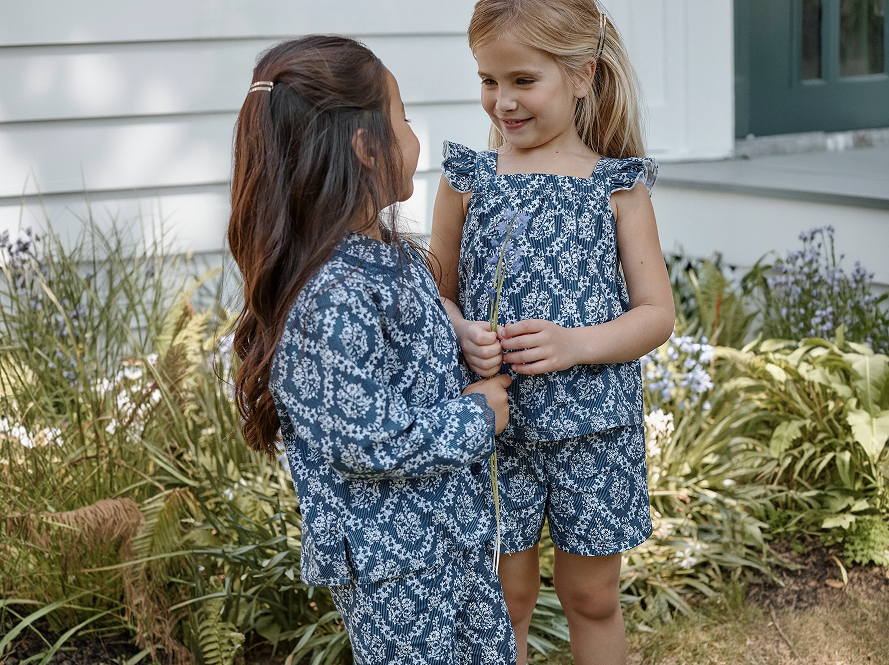
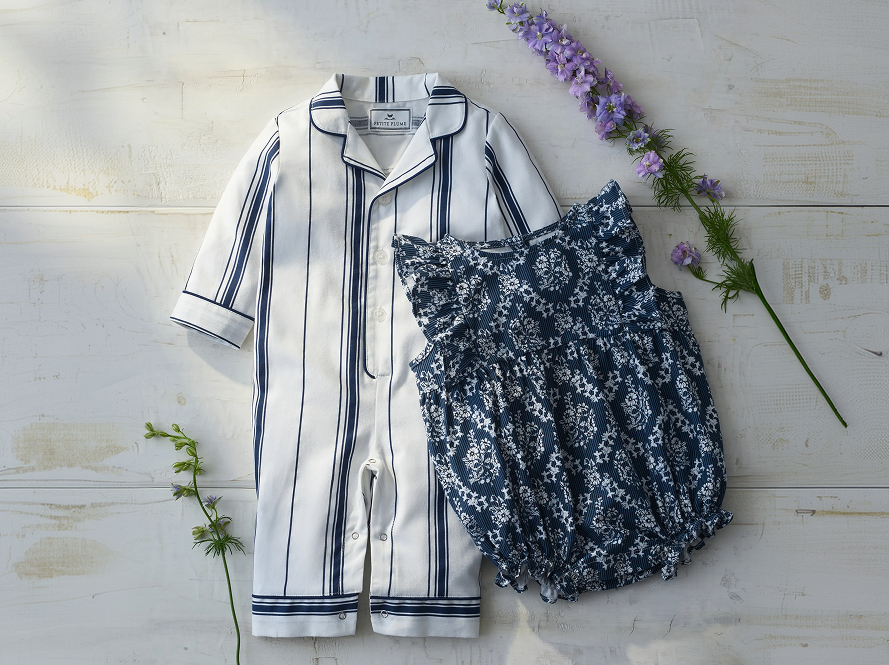
This is where the Timeless Toile makes the perfect statement. Petite Plume features Timeless Toile across the collection, and the heritage look appears in styles like the Women's Pima Pajama Set in Timeless Toile, crafted from buttery soft Pima cotton for women. The same print carries through to kids' Timeless Toile pajamas in children's cotton twill. For the littlest at the table, there’s also a baby's Timeless Toile romper.
To style it thoughtfully, keep the rest of the look quiet. Let the toile pajamas lead.
Coordinated Toile for the Whole Family
For relaxed mornings with the family, a shared print pulls the whole scene together. Toile is a go-to for coordinated dressing, worn across generations from grandparents to babies.
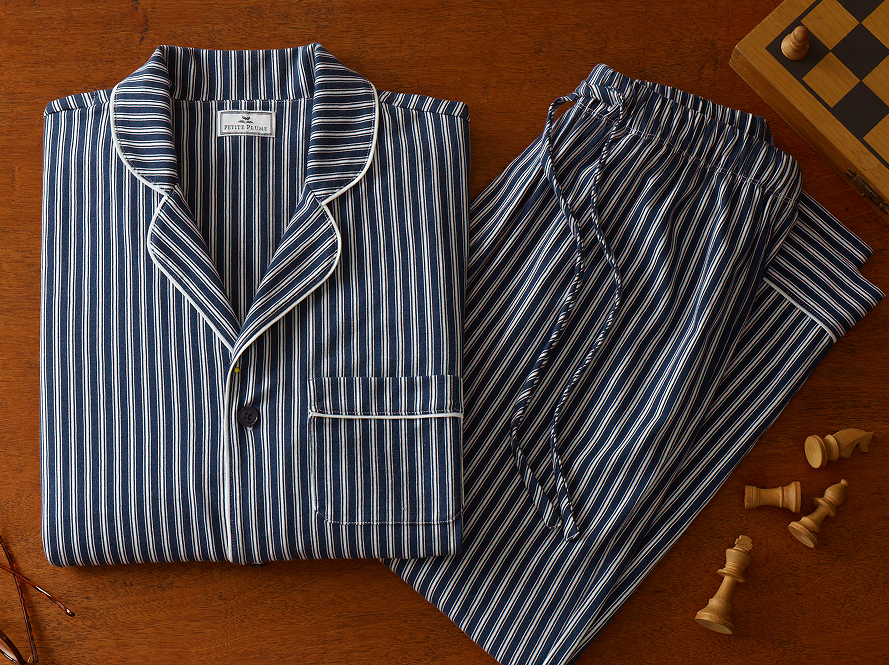
A single toile print, worn together, turns an ordinary morning, holiday, or photo session into something even more memorable. Petite Plume matching family pajamas make that simple, with coordinating styles in the same heritage print for every age at the table.
Better still, a print like this is worth passing down. Toile has already lasted for generations, and a set worn and loved today becomes a keepsake for years to come.
Frequently Asked Questions
How do you pronounce Toile de Jouy?
It is pronounced "twahl duh zhwee." The word "toile" on its own is simply "twahl."
What does Toile de Jouy mean?
It is French for "cloth from Jouy," named for Jouy-en-Josas, the town near Paris where the famous printing factory stood.
What colors does Toile de Jouy come in?
Classic toile is one color on a pale ground, most often blue, red, or black. Modern versions add greens and other shades.
What patterns go with Toile de Jouy?
Simple companion prints in the same color family work best. Stripes, ginghams, and small checks all sit beautifully alongside toile.
Is Toile de Jouy still in style?
Yes. It stays current in both fashion and interiors, and it reads as classic rather than trendy.
A Heritage Print Worth Passing Down
For a print born in a small French town, Toile de Jouy has traveled a long way, and it still feels at home in a modern family. Worn today and kept for tomorrow, a heritage print like Timeless Toile is made to be lived in and passed down, a keepsake worth reaching for again and again. Explore the Timeless Toile collection and find a print for the whole family.